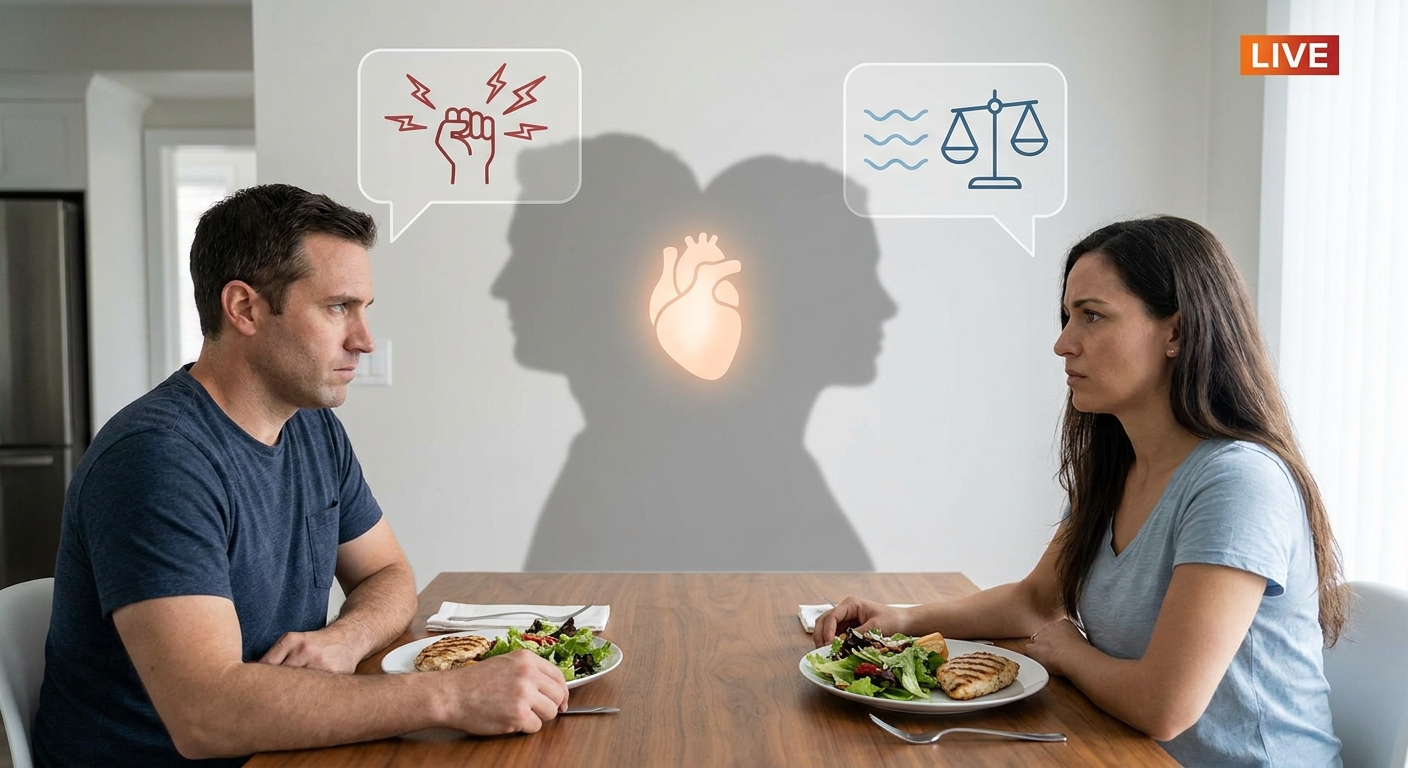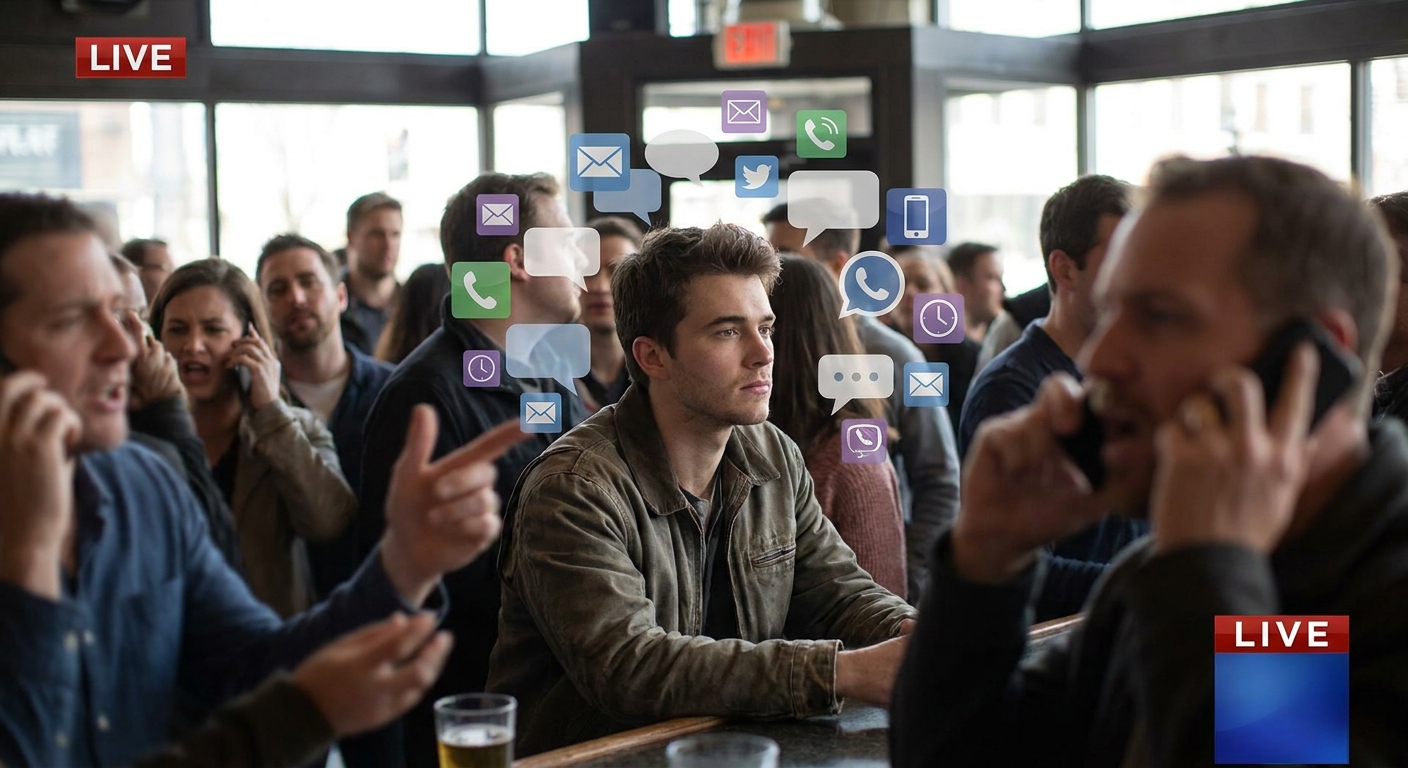
Scroll through any social app and you'll notice something: everyone has opinions now, and not just casual ones. We're talking fully-branded, high-definition, all-caps TAKEZZZ.
The Age of the Hot Take
Your coworker has a 17-part Instagram Story about tipping culture. Your cousin writes TikTok dissertations on airport etiquette. The comment section under a video of a dog wearing a hat somehow turns into a war about late-stage capitalism.
We’re living in the age of the hot take. But underneath the noise is a serious question:
How do you share your opinion online without being exhausting, cruel, or just plain wrong?
Let’s unpack that—like a smart friend debriefing a chaotic group chat over coffee.
How Opinions Got So Loud
Opinions aren’t new. Your grandparents argued about politics at the dinner table. Your parents debated whether TV was ruining your brain.
What is new is the scale and speed at which opinions spread.
1. The algorithm loves drama
Platforms are rewarded for engagement, and nothing gets people typing like outrage, shock, or moral certainty. Subtlety doesn’t trend. Nuance doesn’t get pushed to the top of the feed.
So the internet gently nudges us toward more extreme versions of ourselves:
- “I kind of disagree” becomes “This is a disaster.”
- “I’m not a fan” becomes “This person should never work again.”
2. Identity is now public
We’re no longer just people with opinions; we’re personal brands with content strategies (even if we don’t call it that).
Posting an opinion isn’t just “Here’s what I think.” It’s often read as “Here’s who I am.” That’s why changing your mind feels risky. If your views shift, does your identity shift too? To your followers, maybe.
3. We confuse visibility with expertise
That person whose thread on geopolitics went viral last week? Today they’re explaining nutrition, and tomorrow they’re dissecting the economy.
We’ve started assuming: If many people see it, it must be smart. Spoiler: it isn’t.
The Hidden Cost of Constant Opinions
Having opinions is normal; feeling pressure to have one on everything is not.
Think about the last big news story. How long did it take before you thought, “What’s my take on this?” Or worse: “Am I supposed to post something about this?”
That’s opinion as performance.
It’s mentally exhausting
The brain isn’t built to process and judge every event on Earth in real time. When we try, we end up:
- Latching onto the first narrative we see
- Sharing before checking context
- Treating complex issues like movie reviews
It flattens complicated realities
The world is messy. Social media hates messy.
Nuanced truths like:
- “This policy helps some people and harms others.”
- “I don’t know enough yet.”
- “I’m still thinking about it.”
…get translated into simple binaries:
- Good / bad
- Right / wrong
- For us / against us
That’s how we end up with opinion wars where everyone is certain and almost nobody is informed.
How to Have Strong Opinions Without Being Terrible
You don’t need to become a beige, opinion-less ghost. You just need better tools.
Here’s a simple framework: Curious → Careful → Kind.
1. Be curious before you’re confident
Before you post your take, ask:
- What don’t I know yet? If this were a movie, have I seen more than the trailer?
- Who’s affected by this? Have I heard from them, or just people commenting about them?
- Could there be more than one thing true at once? (Hint: usually yes.)
Curiosity slows you down just enough to avoid becoming That Person in the comments.
2. Be careful with what your opinion does
Ask yourself:
- Is this punching up or punching down? Criticizing powerful systems or public figures is very different from dog-piling a random individual who went viral.
- What’s the real goal? To look smart? To join a pile-on? Or to add context/ask questions/help someone think?
- Would I say this in a room full of actual humans? If not, maybe don’t say it online.
3. Be kind, not just “correct”
You can be factually right and still be a jerk. The internet is full of people who treat “being right” like a license to be cruel.
Before you hit send:
- Soften absolutes: “Everyone who thinks this is an idiot” → “I disagree, here’s why…”
- Separate ideas from people: “This argument is weak” is different from “You’re stupid.”
- Leave space for others: “Here’s how I see it, but I might be missing something.”
Kindness isn’t weakness. It’s what makes people actually listen.
The Sexy, Underrated Power of Saying “I Don’t Know”
In our current culture, certainty is a flex. Admitting you’re unsure can feel like showing up to a party underdressed.
But “I don’t know” is weirdly powerful.
It does three things:
- Builds trust – People believe you more when you admit your limits.
- Keeps your mind open – If you’re not busy defending a bad take, you’re free to learn.
- Lowers the temperature – It invites conversation instead of a shouting match.
Try posting this sometime:
“I’m still learning about this, but here’s what I’ve understood so far. If I’m missing context, I’d like to know.”
You’d be surprised how often that changes the tone of replies.
How to Scroll Without Losing Your Own Judgment
Your opinions aren’t just shaped by what you say; they’re shaped by what you consume.
A few low-effort habits that protect your brain:
1. Diversify your timeline
Actively follow people who:
- Disagree with you thoughtfully (not trolls, actual grown-ups)
- Live in different places and cultures
- Have direct experience with issues you usually only see debated
2. Notice when you’re doom-opinioning
If you catch yourself:
- Switching apps every 3 minutes for “updates”
- Getting mad at strangers’ takes all day
- Feeling pressured to post something
…that’s a sign to log off, touch grass, or at least watch a video of a raccoon washing grapes.
3. Keep a few opinions private on purpose
Some thoughts don’t need to be content. Having a private opinion is not the same as being silent or complicit. It’s just… being a person, not a channel.
Try this: when a big controversy hits, decide: What will I think about this privately, and what (if anything) is worth saying publicly?
The Future of Opinions (If We Don’t Burn Out First)
We’re not going back to a world where only columnists and talk show hosts get to share their views. That’s good. More voices, more perspectives, more accountability.
But the next cultural upgrade isn’t more opinions—it’s better ones.
- Less knee-jerk, more thought-out
- Less identity performance, more honest uncertainty
- Less cruelty disguised as “truth-telling,” more curiosity that actually helps people understand the world
You don’t have to opt out of the conversation. You just have to resist the pressure to turn every thought into a hot take.
So the next time you feel that itch to post a scorched-earth opinion, try this instead:
Take a breath. Ask a question. Admit what you don’t know. Then speak like everyone reading is a real human who might remember your words longer than the algorithm will.
That might not go viral. But it will make you the kind of voice people actually want to hear—on and offline.