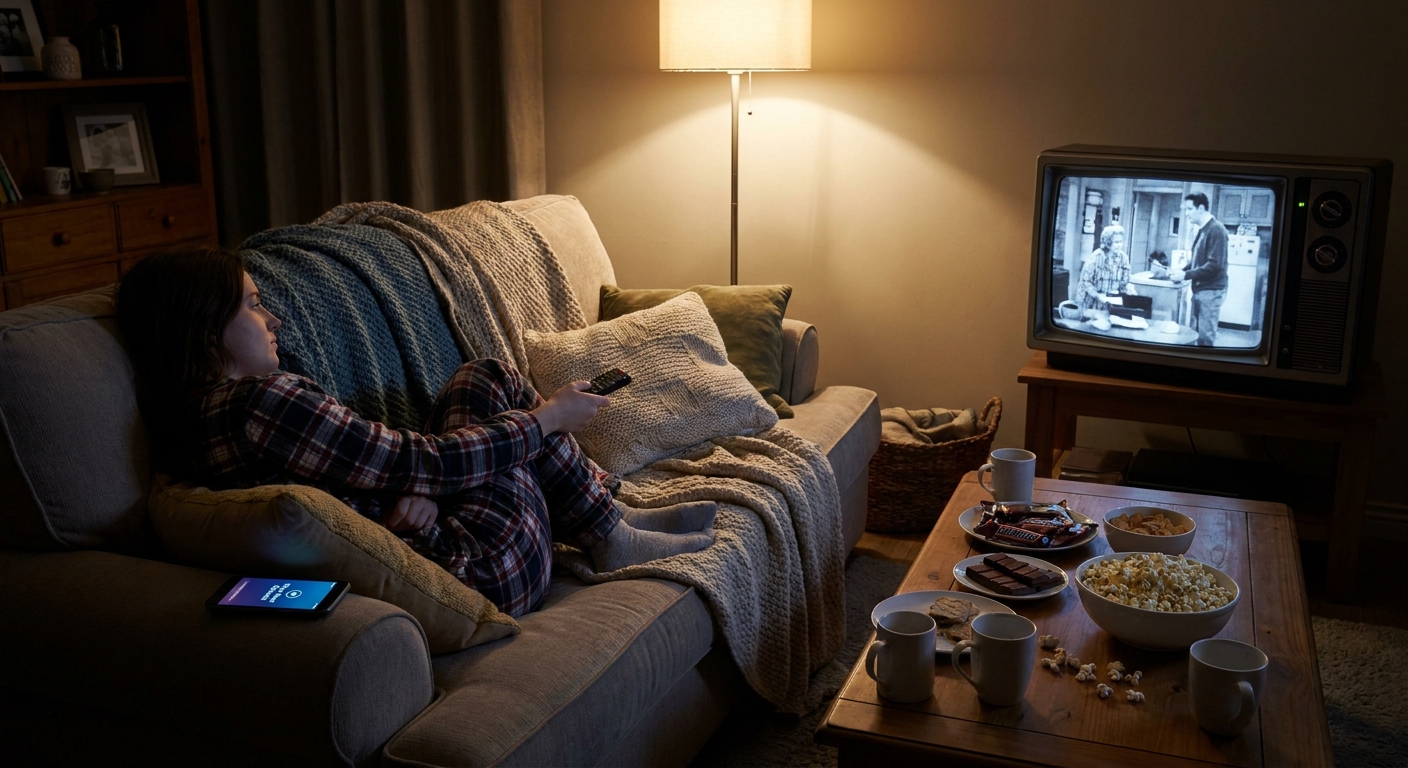
You sit down to watch one episode. The app autoplays the next. Five “You might also like…” tiles appear. Suddenly it’s 1:30 a.m., you’re asking yourself why you watched a documentary about 18th‑century ships, and you still haven’t done the one thing you meant to do tonight.
When “Just One Episode” Becomes Three Hours
This isn’t a personal failing. This is design.
Modern entertainment isn’t just about what to watch. It’s about wrestling with entire systems built to keep you watching—forever.
The good news: you don’t have to throw your phone in a lake to get your evenings back. You just need to understand what you’re up against, and use a few small, sneaky counter‑moves.
How Platforms Quietly Hook You (Without Feeling Evil)
Streaming services and social apps aren’t cackling villains, but they are businesses. Their business model runs on one main fuel: your attention.
To get that, they use a handful of predictable tactics:
- Autoplay: Removes the decision point between episodes or videos.
- Infinite Scroll: There is no “end,” so there’s no natural stopping point.
- Personalized Recommendations: The system learns what you can’t resist and feeds you more of it.
- Variable Rewards: Not every video is amazing—so your brain keeps scrolling “just in case” the next one is.
Recognize any of this? Cool. Awareness isn’t everything, but it gives you your first bit of power back.
Step 1: Decide What You Want Entertainment To Do For You
We usually ask “What do I want to watch?” when we should really be asking:
“What do I want this next hour with a screen to do for me?”
A few possibilities:
- Help me unwind
- Make me think
- Give me creative inspiration
- Let me feel less alone
- Make chores less boring
If you don’t decide, the platform will decide for you—and it optimizes for “whatever keeps you here longest,” not “whatever serves you best.”
Try this tiny ritual before you open anything: complete the sentence, “I want to feel more ____ after this.” Then choose accordingly.
Step 2: Separate “Active Watching” from “Background Noise”
Not all watching is equal. The problem comes when we treat everything like background noise and then wonder why our brains feel like scrambled eggs.
Think in two lanes:
Lane A: Active Watching
You’re actually paying attention. Subtitles? Fine. Complex plots? Great. This is where your favorite films, prestige TV, documentaries, thoughtful YouTube videos live.
Lane B: Background Watching
You’re folding laundry, cooking, working out, doom‑scrolling. Story doesn’t really matter. Comfort, vibes, and familiarity do.
The trap is when Lane B content slowly eats your entire schedule because it’s so easy to keep going. Being honest about which lane you’re in helps you:
- Protect time for the stuff that deserves focus
- Forgive yourself for light, silly, background choices
- Stop expecting deep satisfaction from content you’re only half‑watching
Step 3: Hack the Autoplay (Instead of Just Turning It Off)
You can absolutely disable autoplay everywhere if that works for you. But if that feels too extreme, try softer hacks:
- Use a “stop episode” ritual: Decide beforehand: “I’m watching 2 episodes.” When the 2nd ends, you stand up—physically—and do anything else for 60 seconds. If you truly want more, you’ll come back on purpose.
- Switch formats: After a couple of episodes, switch to a different type of content (short video, podcast, music) as a cool‑down.
- Move your device: If you watch on your laptop, close it and put it on a shelf when you’re “done for the night.” That micro‑friction is huge.
You’re not fighting your willpower; you’re changing the default from “keep going” to “pause and choose.”
Step 4: Build a “Tiered” Watchlist
The standard watchlist is chaos: masterpiece films mixed with random reality shows and three movies your cousin swore were “life‑changing.”
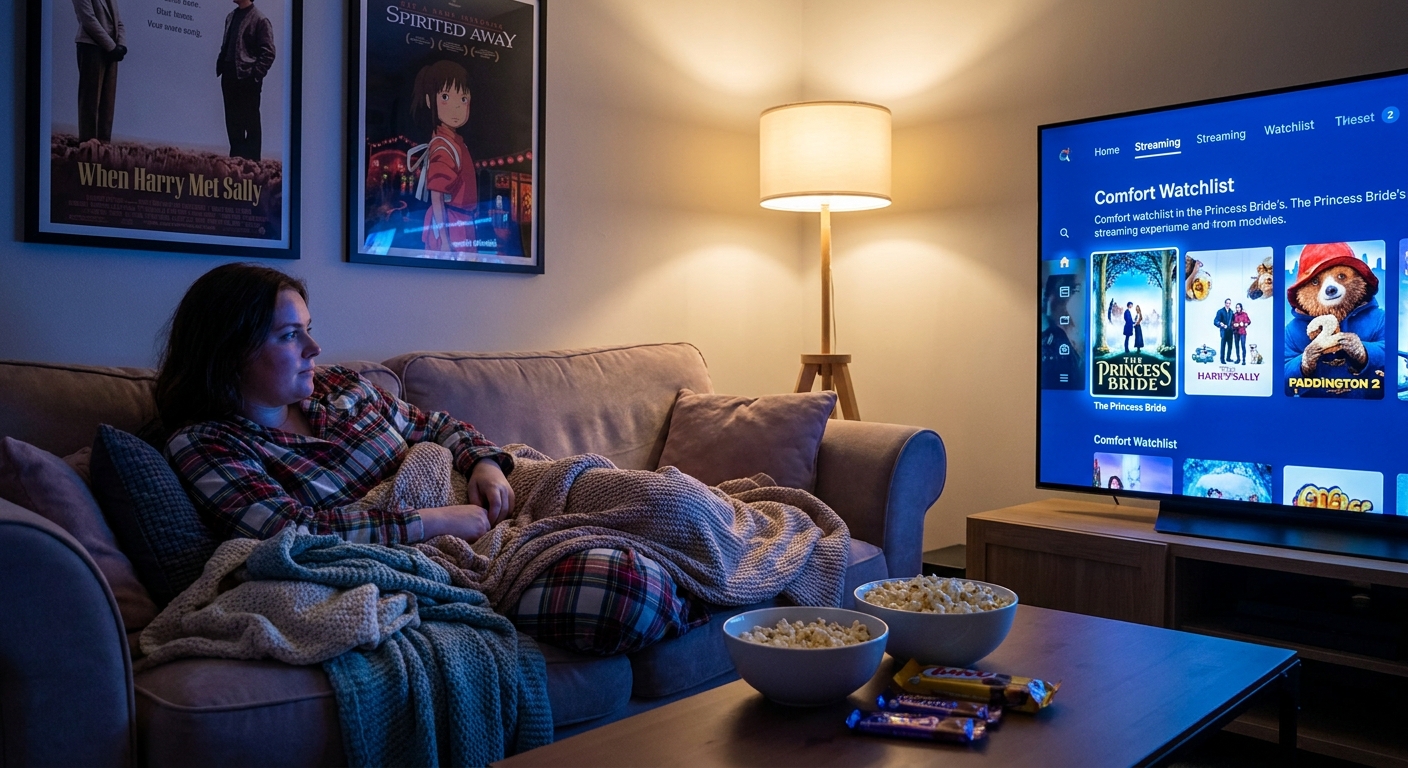
Instead, try a tiered watchlist:
- Tier 1 – High Intent: Stuff you really care about and want to watch with full attention.
- Tier 2 – Medium Intent: Things you’re curious about but not emotionally invested in yet.
- Tier 3 – Low Intent: Backgroundable, light, or “maybe, someday” options.
When you sit down:
- If you have energy and focus → pick from Tier 1.
- If you’re tired but want something new → Tier 2.
- If you’re wiped and just need noise → Tier 3, guilt‑free.
This helps you stop blowing your best energy on mediocre stuff just because it’s what the algorithm served you first.
Step 5: Make Algorithms Work For You
You don’t control the algorithm, but you do teach it.
- Actually use “Not Interested.” It’s not petty; it’s training.
- Search manually sometimes. Don’t just accept the homepage; go looking for specific titles or creators.
- Be deliberate with likes and watch time. Don’t watch hate‑click content to the end—that tells the system you want more of it.
Think of your recommendations like a garden. If you never pull weeds or plant what you actually like, you’ll get whatever seeds the wind drops there.
Step 6: Protect “White Space” in Your Day
Endless entertainment is allergic to silence. Notice how quickly we fill any tiny pause with a clip, a reel, a TikTok.
A little white space—unfilled time—lets your brain:
- Process emotions from the day
- Turn random ideas into actual thoughts
- Notice what you genuinely want, not just what’s suggested
Simple ways to add that back:
- Walk 5–10 minutes without headphones between heavy watch sessions
- Do the first 10 minutes of your commute or wind‑down routine in silence
- Let the credits play sometimes instead of instantly skipping
Ironically, giving yourself moments without content often makes the content you do consume feel more satisfying.
Step 7: Turn Guilt Into Data, Not Drama
We all have those nights where we watch way more than we planned and feel gross afterward. Beating yourself up just feeds the cycle.
Instead, treat it like an experiment:
Ask yourself:
- What was I actually needing tonight—distraction, comfort, stimulation?
- Did what I watched give me that, or was I hoping the next thing would?
- What could have told me, “Okay, this is a good place to stop”?
Use that info for the next night. Maybe you:
- Set a loose “lights out” time
- Start earlier, so you’re not making decisions when you’re half‑asleep
- Choose more intentionally which rabbit hole to go down
Curiosity beats shame every time.
The Point Isn’t Less Entertainment—It’s Better Entertainment
This isn’t an argument for going full minimalist monk and only watching black‑and‑white classics once a month.
It’s about agency.
You get to decide:
- When you’re watching to truly experience something
- When you’re watching to zone out (which is a valid need)
- When you’re done for tonight—even if the app disagrees
Entertainment can:
- Expand your world
- Help you process feelings
- Give you common ground with people you love
Or it can just… eat time.
Claiming small bits of control—one tiered watchlist, one “stop after this episode” ritual, one intentional click on “Not Interested”—is how you tilt the balance back in your favor.
The platforms will always want “just one more.” The quiet power move is learning to say, “That’s enough for today. I’ll come back when I want more, not when the next thing autoplays.”