You’ve got 14 shows in your "To Watch" list, three friends yelling at you to start their favorite series, and yet… there you are, hitting play on The Office for the fifth time.
The Strange Comfort of Knowing Exactly What Happens Next
It feels a little embarrassing to admit, but you’re far from alone. Rewatching is one of the most common—and least talked about—entertainment habits we have. In an age of endless content, we keep going back to the same stories we already know.
So what’s going on? Are we just lazy? Or is there something deeper—and actually healthy—about revisiting familiar worlds?
Your Brain on Rewatching: It’s Not Boredom, It’s Regulation
Let’s start with your brain. New things demand energy. When you start a brand‑new show, your brain is busy:
- Tracking new characters and relationships
- Learning a new world or timeline
- Predicting what might happen next
That’s fun when you have the bandwidth. But after a long day—or, say, a globally stressful few years—your brain can crave something it doesn’t have to work so hard to process.
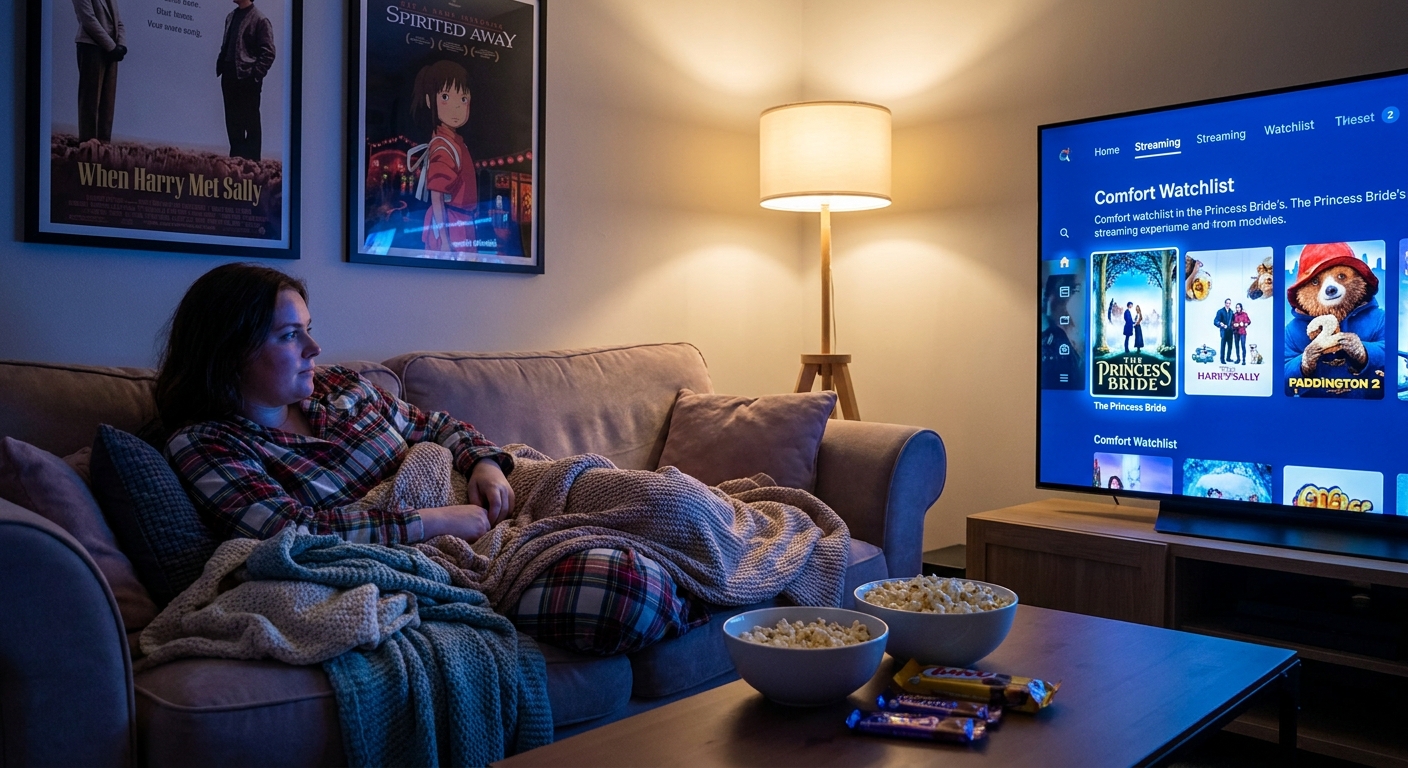
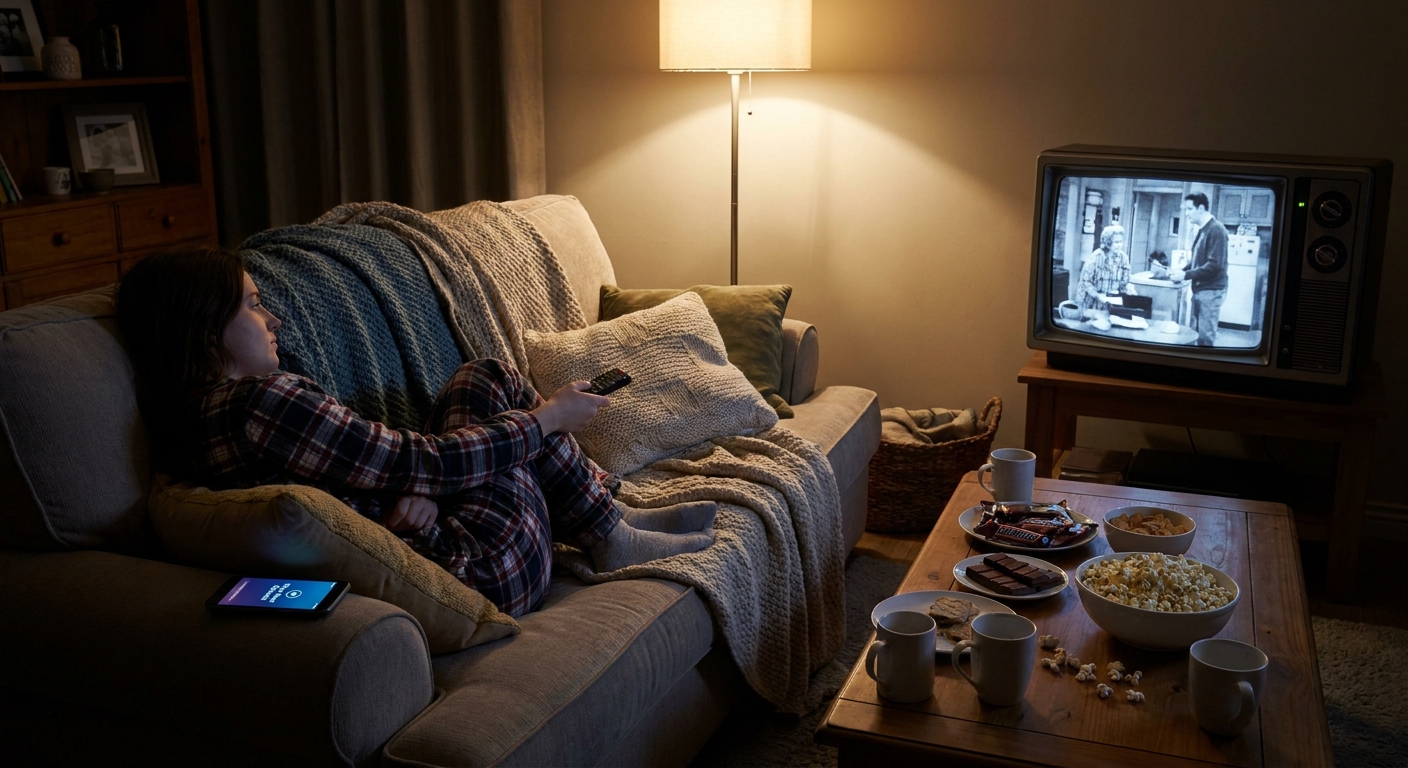
Familiar shows are like cognitive sweatpants: no zippers, no effort, just comfort.
Psychologists sometimes call this emotional regulation. Rewatching a show you love lets you:
- Control your emotional exposure (you know which sad scenes to skip)
- Revisit emotional moments that feel good
- Avoid the anxiety of “Will they kill off my favorite character?”
Your nervous system appreciates knowing exactly how that season finale ends.
Predictability Is the New Luxury
We tend to treat “surprise” as the main currency of entertainment—plot twists, shock deaths, wild reveals. And those are great. But in unstable times, predictability is a kind of luxury.
Think about when rewatching spikes:
- During exam season, people rewatch comfort shows rather than start new ones
- During global crises, streaming data shows increased rewatching of old favorites
- During breakups, people return to the series they loved "before everything went sideways"
It’s not just nostalgia. It’s a way to anchor yourself when real life feels like it’s written by a chaotic showrunner.
It’s Not Wasted Time: You’re Watching a Different Story Now
Here’s the surprising part: you’re not actually watching the same show twice. You’re watching a new version of it, with an older, wiser brain.
On a second (or fifth) watch, you:
- Pick up foreshadowing you missed
- Notice background details and subplots
- Relate to different characters than you did before
Remember when you first watched Gilmore Girls or Modern Family and related to the kids? Rewatch it now and suddenly you’re like, “Oh no… I’ve become the parent in this situation.”
Rewatching turns entertainment into a kind of emotional time capsule. It lets you:
- Check in with your younger self (“Why did I love this character so much?”)
- See how your tastes have evolved
- Track how your values and deal‑breakers have shifted
The show didn’t change. You did.
The Social Side: Rewatching as a Shared Language
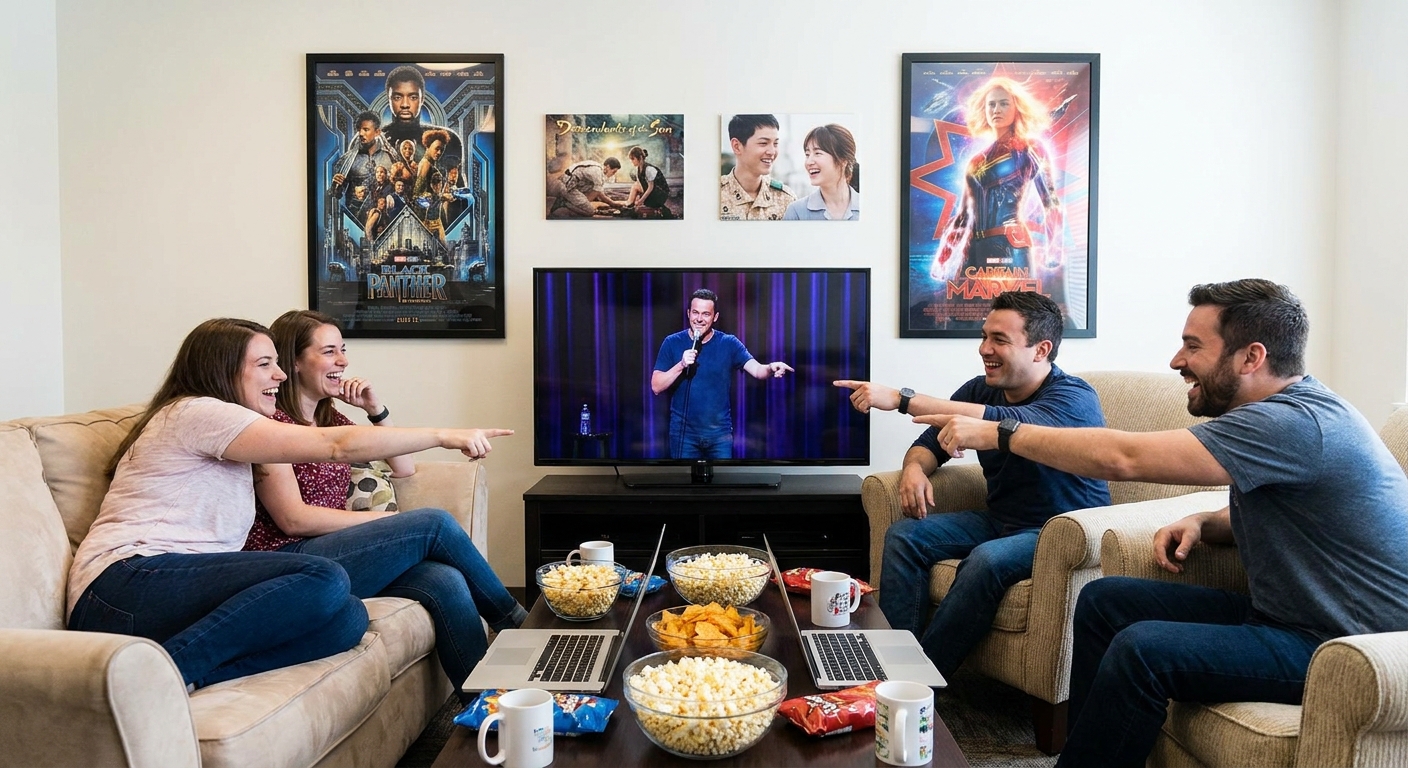
Rewatching also makes entertainment more social, not less. That line you can quote from memory? That’s social currency.
Think about how many friendships are built on shared references:
- Inside jokes from Parks and Recreation
- Quoting Friends at wildly inappropriate times
- Entire group chats based on one K‑drama or anime series
These shows become a shared language. Rewatching keeps that language alive, so you can:
- Join in on memes and TikTok audio trends
- Share specific episodes with friends going through similar stuff
- Create traditions (annual Lord of the Rings marathons, anyone?)
It’s not just about watching something again—it’s about keeping a shared culture active.
Comfort vs. Escape: Know Which One You’re Choosing
There is a point where comfort rewatching can slide into full‑on emotional avoidance.
Some questions to check in with yourself:
- Are you rewatching to relax, or to avoid thinking about something?
- Do you feel better or worse when the credits roll?
- Is your rewatching helping you recharge, or making you feel stuck?
If pressing play on a familiar show feels grounding and cozy: great, that’s comfort.
If it feels like you’re hiding from your own life: that’s escape.
The trick isn’t to stop rewatching. It’s to be honest about why you’re doing it.
How to Turn Rewatching into a Feature, Not a Bug
You can actually make rewatching more intentional—and more fun.
1. Set a Theme Night
Instead of just hitting “Next Episode,” give your rewatch a mini‑purpose:
- “Only cozy fall episodes”
- “Only heists and bottle episodes”
- “Only episodes that made me cry the first time”
You’ll notice new patterns and appreciate the writing more.
2. Watch with Commentary—Your Own
Rewatch with a friend who’s never seen it, but agree on one thing: you can only pause three times to explain/backseat‑direct the episode.
You’ll:
- See what lands for a new viewer
- Realize which scenes are iconic vs. just “old favorite”
- Bond over the chaos of trying not to spoil everything
3. Upgrade Your Focus
Do a “no‑phone rewatch” for just one episode. Actually watch it like you did the first time. You might be surprised by:
- How different the pacing feels
- How much detail you’ve been missing
- How good it feels to really be in one world at a time
The Bigger Picture: Entertainment as Emotional Infrastructure
We talk about shows and movies like they’re optional fluff—nice, but not essential. Yet if you look at how people actually use entertainment, especially through rewatching, it does some serious heavy lifting:
- It stabilizes us when life is chaotic
- It connects us when we feel alone
- It reflects who we were and who we’re becoming
Your favorite comfort show isn’t just background noise. It’s emotional infrastructure. The point isn’t to “grow out of it,” it’s to understand what role it’s playing for you right now.
So if you’re halfway through yet another rewatch and feeling a bit guilty, you can let that go. You’re not just escaping—you might be regulating, remembering, and reconnecting.
And the new shows? They’ll still be there when you’re ready to put your emotional sweatpants in the wash.