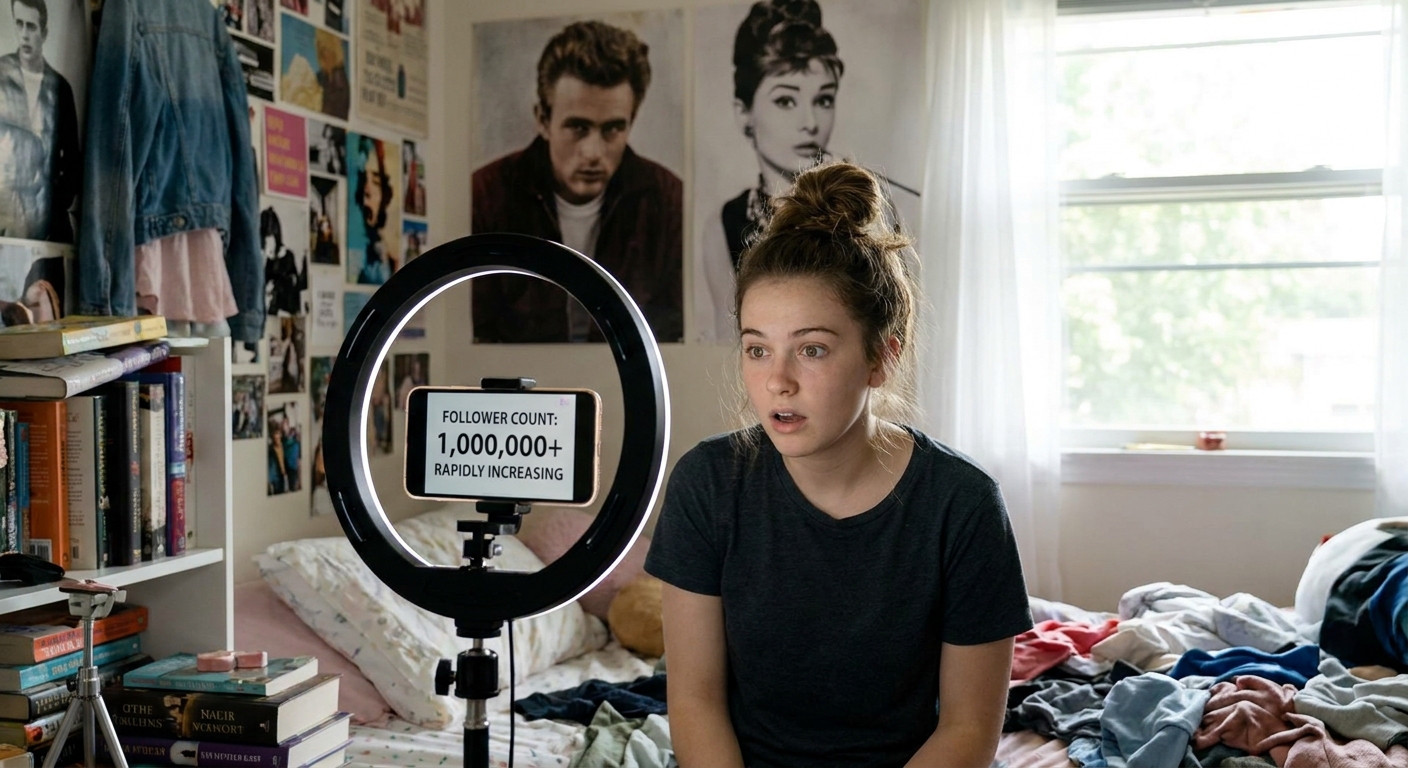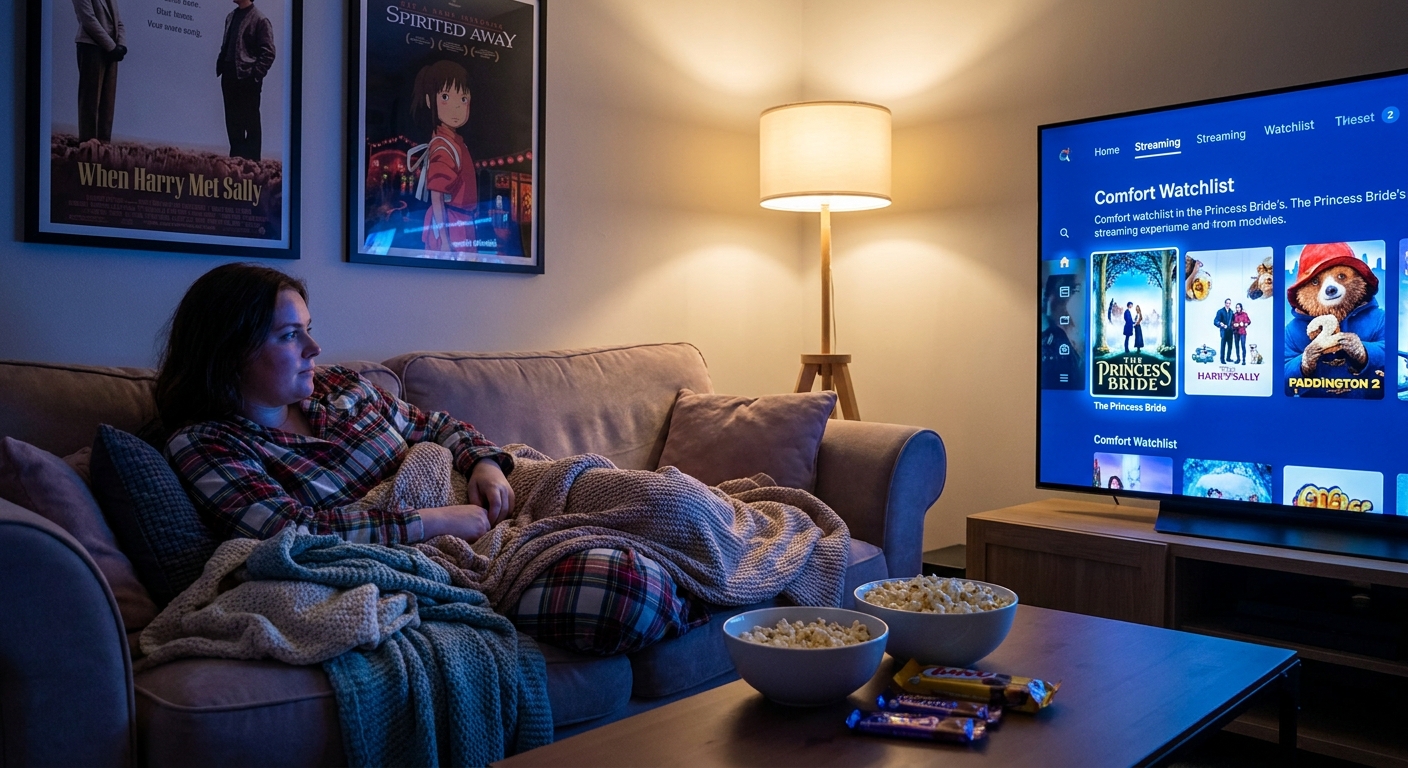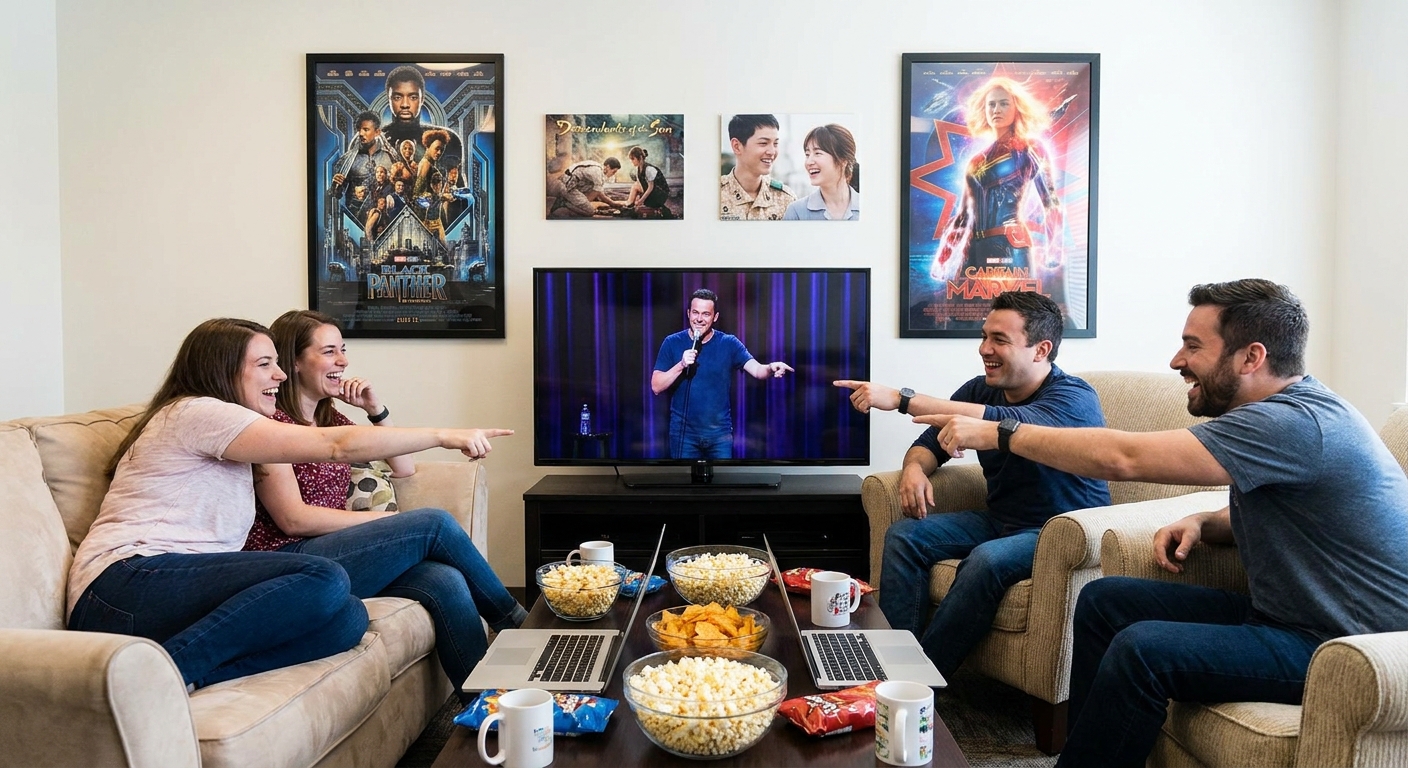
Somewhere along the line, this became one of the most revealing questions you can ask someone. Not “What do you do?” or “Where are you from?” but “What are you into?”
“So… What Are You Watching Right Now?”
Because in 2026, shared taste in entertainment isn’t just small talk—it’s friendship glue.
From Marvel obsession phases to K‑drama binges and anime watch parties, fandom has quietly turned into one of the most reliable ways adults find their people.
Let’s talk about why that happened, and what it looks like when “liking the same show” becomes the start of a whole little universe of connection.
The Loneliest Era Is Weirdly Also the Fandom Era
We’re in a strange social moment:
- People move more for work and school than ever
- Traditional community spaces (churches, clubs, neighborhood events) are shrinking
- Friendships are harder to start and maintain after school years
At the same time, we have:
- 24/7 access to people who like exactly what we like
- Discord servers, subreddits, and group chats for every fandom flavor
- Streaming platforms that drop global content all at once
Fandom slid into the gap. It offered something deceptively simple: a conversation starter that never runs out.
Why Shared Stories Bond Us So Fast
You know how going through something intense together—like a tough job, a dramatic class, or a long trip—can fast‑forward closeness? Stories hack that.
When you’re emotionally invested in the same characters, you’ve effectively:
- Shared a mini emotional history (“I can’t believe they killed him in season 3”)
- Argued about ethics, loyalty, and love (but safely, through fictional people)
- Revealed what you value by who you root for
Your hot take on a character’s choices is secretly a hot take on:
- What you think a healthy relationship looks like
- How you feel about power, justice, and forgiveness
- What scares you, delights you, or feels like home
This is why "We both cried at the same scene" can feel way more bonding than "We both went to the same college."
Micro‑Fandoms, Micro‑Friendships
This isn’t just about giant franchises like Marvel or Star Wars. Some of the deepest connections form around oddly specific niches:
- A particular K‑drama actor
- A single Studio Ghibli film
- Comfort reality shows from a specific country
- A tiny webtoon or fanfic series
In those spaces, you skip straight past surface‑level talk.
In a group chat that exists purely to scream about one show:
- Nobody cares what you do for work
- Your skill is meme timing, not job titles
- Emotional honesty is weirdly easier when it’s “about the characters”
You practice vulnerability through fictional people until suddenly you’re texting, “Okay but actually, I’m going through something similar.”
How Adult Friendships Quietly Grow Out of Fandom
A typical pipeline looks something like this:
Online Encounter
You like each other’s fan art, edits, or commentary. You recognize usernames, then personalities.
Side Conversations
Jokes about the show leak into jokes about work, families, sleep schedules.
Parallel Life Updates
“Sorry I’ve been MIA, work’s been brutal.” People start asking, “Everything okay?”
Shared Rituals
Weekly watch parties, live‑tweeting finales, countdowns to new seasons.
Off‑Topic Becomes the Main Topic
Suddenly the show is 30% of the chat and life is 70%.
Congratulations: you’ve accidentally formed a friend group.
The Safe‑Distance Honesty of Fandom Spaces
Fandom gives you a weird kind of safety. You can:
- Test opinions in low‑stakes ways (“I know we’re supposed to ship them, but I hate this dynamic”)
- Share very personal feelings under the disguise of character analysis
- Talk about identity, trauma, or mental health via storylines
It’s easier to say, “This plot hit me hard because of stuff I’ve been through” than “Let me tell you my trauma from scratch.”
That sideways honesty often turns into real trust.
But Also: The Toxic Side We Need to Talk About
Fandom can be magic. It can also be a mess.
You’ve probably seen:
- Ship wars getting genuinely cruel
- Harassment of actors over fictional relationships
- Racist and sexist backlash when new characters don’t fit old molds
- Pressure to consume everything to stay “a real fan”
When fandom is your main social world, it can feel high‑stakes to disagree. Losing a friend group over fictional people feels ridiculous—and also devastating.
Some guardrails help:
- Separate criticism from cruelty. “This writing is lazy” is not the same as “Everyone who likes this is stupid.”
- Remember the power dynamic. Yelling at actors or writers online rarely fixes anything; it just drains your own joy.
- Let yourself outgrow things. You’re not a traitor if a fandom stops feeling good to be in.
How to Use Fandom Intentionally to Make Real‑Life Friends
If you’d like to turn “we like the same show” into “we’re actually friends,” some gentle strategies:
Follow the People, Not Just the Content
Notice who makes you laugh, think, or feel safe in the comments or chat. Interact a little more with them.
Create Small Spaces
Big public spaces are noisy. Smaller group chats, private servers, or watch‑party groups often feel safer and more human.
Mix in Low‑Risk Personal Stuff
“What are you all watching besides this?” is a great bridge. Soon you’re swapping music, book, and life recs.
Respect Offline Boundaries
Not everyone wants to move from “fandom mutual” to “real‑name friend.” Let it be mutual, not forced.
Meetups, But Smart
Conventions, fan screenings, and local meetups can be amazing—just stick to basic safety: public places, tell someone where you’re going, trust your gut.
Why Fandom Friendships Can Feel So Intense
Of course it feels big. You’ve:
- Screamed together at cliffhangers
- Comforted each other after brutal finales
- Aggressively recommended comfort episodes during someone’s bad week
You’ve basically shared a mini soap opera inside a bigger soap opera.
That intensity is beautiful—and also why it really hurts when fandom friendships break. Don’t underestimate that grief. Losing a fandom friend can feel like a breakup.
It’s okay to:
- Mute or leave spaces that stress you out
- Keep the show but let go of certain groups
- Take a break without making a dramatic exit speech
Stories as Shared Homes
Underneath all the memes, watch parties, and fic recs, here’s what’s actually happening:
- We’re using fictional worlds as neutral ground to meet on
- We’re rehearsing emotional honesty through made‑up people
- We’re finding out who gets our jokes, our references, and our rhythms
In a world where a lot of traditional “third places” have faded—cafés, clubs, casual hangout spots—fandom became an accidental third place.
So if you’ve ever worried that caring this much about a show is “too much,” consider this: maybe it was never just about the show. Maybe it was about building yourself a little village.
And if the village sometimes argues about which character deserved better? Well. That’s just part of the fun of living there together.