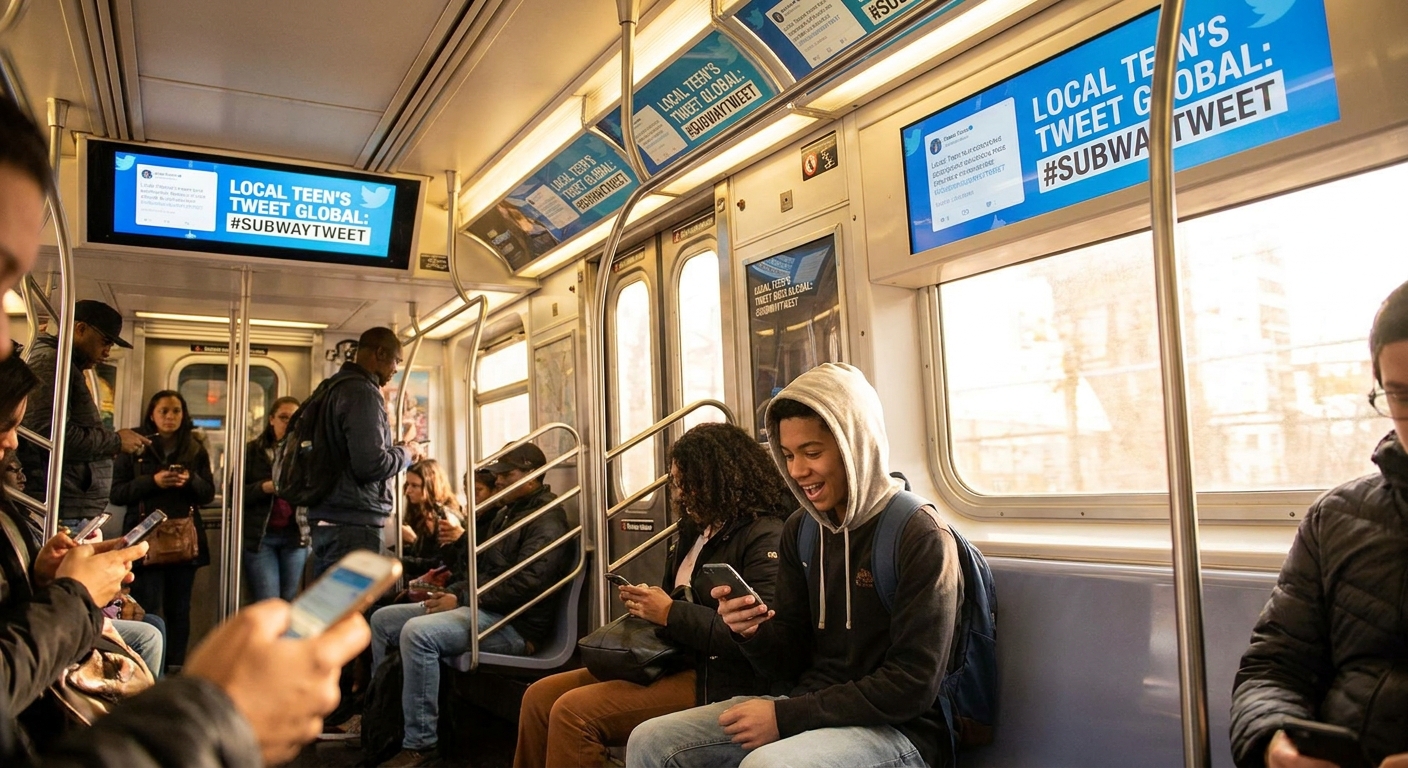
You’ve probably had this thought: “Wow, everyone is talking about this.”
Your Feed Is Lying to You (But Not How You Think)
A viral clip, a controversy, a feel‑good story—it dominates your For You page, your group chats, maybe even the news.
But here’s the twist: “Everyone” often just means “people like you, on this one platform, in this one corner of the internet.”
Trending feels universal. It’s usually extremely local—just not in the geographic sense.
Let’s talk about the invisible politics of what’s trending, who decides, and what gets quietly buried.
Trending Is Never Just a Mirror
We treat the trending tab like a weather report: neutral, objective, just showing us “what’s out there.”
In reality, it’s more like the front page of a newspaper:
- Selected
- Curated
- Influenced by business, culture, and risk management
Except unlike a newspaper, there’s no clear editor whose name is on the decisions.
There’s just the algorithm, sitting on a pile of:
- Platform policies
- Legal pressure
- PR considerations
- Growth goals
And then there’s you—and the version of the world it shows you.
How Platforms Quietly Shape What Counts as “Trending”
Most people think: “If a lot of users share something, it trends.”
That’s part of the story, but not the whole thing.
Behind the scenes, platforms often tweak or override pure popularity for reasons that make sense from their perspective.
1. Brand Safety
Advertisers don’t want their ads running next to:
- Graphic violence
- Hate speech
- Sexual content
- Highly polarizing political topics
So even if a story is exploding, the platform has incentives to:
- Demote it from official trending lists
- Hide it from recommendation surfaces
- Keep the “main stage” looking relatively safe
Result: Your feed might be full of heated posts, but the official “trending” shelf looks cleaner.
2. Political Pressure and Regulation
In many countries, platforms face:
- Government scrutiny over election content
- Legal threats about misinformation
- Expectations to down‑rank certain topics
Publicly, this shows up as “we’re limiting the spread of X type of content.”
Practically, it means:
- Some legitimate topics struggle to trend.
- Some phrases or hashtags quietly stop auto‑completing.
- Entire conversations get less oxygen.
3. Strategic Growth Decisions
Platforms are businesses, not public utilities.
They’re motivated to push categories that:
- Keep people on the app longer
- Attract creators and advertisers
- Help them differentiate from competitors
So you’ll see:
- A big emphasis on short‑form video if that’s the current growth bet
- Specific niches (gaming, beauty, sports) getting more trend real estate
- Incentives for creators who use new features (live, shopping, Reels, etc.)
Some trending spaces are less about what the world cares about and more about what the platform wants to win.
Filter Bubbles and the Illusion of Consensus
Trending is increasingly personalized.
That means:
- Your trending tab isn’t my trending tab.
- Your feed’s “everyone is mad at this” might be my “I never saw this at all.”
That creates two illusions:
Illusion of majority
You see one take over and over and assume it’s the dominant opinion.
Illusion of isolation
You never see your own perspective reflected, and assume you’re alone.
Both are emotionally powerful. Both can be completely wrong.
The Quiet Power of What Doesn’t Trend
What we don’t see feels like it doesn’t exist.
But things fail to trend for reasons that have nothing to do with importance:
- The first person to post it had a tiny following.
- The topic doesn’t lend itself to quick, emotional soundbites.
- The affected community doesn’t have a lot of algorithm‑savvy voices.
There are whole categories of stories that:
- Never get a catchy hashtag
- Never find a compelling meme format
- Never fit into a 15‑second reel
They’re no less real. They’re just bad content for the current machine.
Trending rewards what performs well on screens, not what matters most in the world.
How This Shapes Our Sense of Reality
Over time, living inside this system can warp how we see:
1. What We Think Is “Normal”
If you constantly see:
- People with certain lifestyles
- Certain types of bodies, homes, or relationships
- Certain hot takes framed as obvious
You might start to see your own life as an outlier, even when it isn’t.
2. What We Think Is “Urgent”
Your sense of urgency becomes:
- Vulnerable to emotional spikes
- Driven by engagement metrics
- Dependent on whether a story can go viral
Injustice with good footage may trend. Injustice without visuals might not.
3. Who We Think “We” Are
If most of what you see comes from people like you, you can feel like:
- Your worldview is the default
- Other perspectives are fringe or extreme
That makes real‑world conversations harder, because your mental map of “most people” is built from a biased sample.
Small Ways to Take Back Some Control
You can’t rewrite platform code. But you can quietly tweak how you relate to what’s trending.
1. Treat Trending Tabs as One Data Point, Not Gospel
Instead of thinking:
“This is what everyone cares about.”
Try:
“This is what this platform, for my demographic, is pushing right now.”
That tiny reframing softens the emotional punch.
2. Intentionally Cross the Streams
Once in a while, step outside your default feed:
- Search for the same topic on a different platform.
- Check how local news frames it versus national or international outlets.
- Look for voices closest to the story, not just the loudest takes.
You’re not fact‑checking every post; you’re resisting being trapped in a single narrative bubble.
3. Diversify Who You Follow
Add a small mix of accounts that differ from you on at least one axis:
- Geography
- Age
- Profession
- Political leaning
You’ll get:
- Different things trending in your world
- Fewer shocks when you realize other people saw a completely different internet today
4. Notice Your Own Engagement Reflexes
Algorithms learn from your behavior.
Ask yourself:
- What do I always click when I’m bored or anxious?
- What do I scroll past even if I know it matters?
If you want a different internet, change your micro‑habits:
- Linger on content that nourishes or informs.
- Scroll a bit faster past content that drags you into outrage spirals.
You can’t fully control the feed, but you can nudge what it thinks you want.
The Ethics of Sharing What’s Trending
We’re not just consumers of trends; we’re amplifiers.
Before you boost a trending story, ask:
Am I adding light or just more heat?
Who is helped and who is harmed if this spreads further?
Am I sharing because I understand it, or because I’m startled, angry, or scared?
Even a few extra seconds of friction between impulse and share can:
- Reduce misinformation
- Protect people at the center of a viral pile‑on
- Save you future regret
Trending Isn’t Evil. It’s Just Powerful.
It’s easy to either:
- Demonize algorithms, or
- Shrug and say, “That’s just how it is.”
Reality lives in the middle.
Trending systems:
- Surface important stories faster than ever
- Help marginalized voices find each other
- Provide real‑time snapshots of cultural mood
They also:
- Miss slow, complex crises
- Incentivize outrage
- Hide entire worlds outside your bubble
We can’t fully opt out. But we can:
- Look at trends with more skepticism and curiosity
- Remember that our feed is not the whole map
- Be more careful about what we help amplify
The next time you feel like “the whole internet” is losing its mind over something, pause.
Maybe it is.
Or maybe your corner just got very loud.
Either way, you get to decide how much space it takes up in your head.