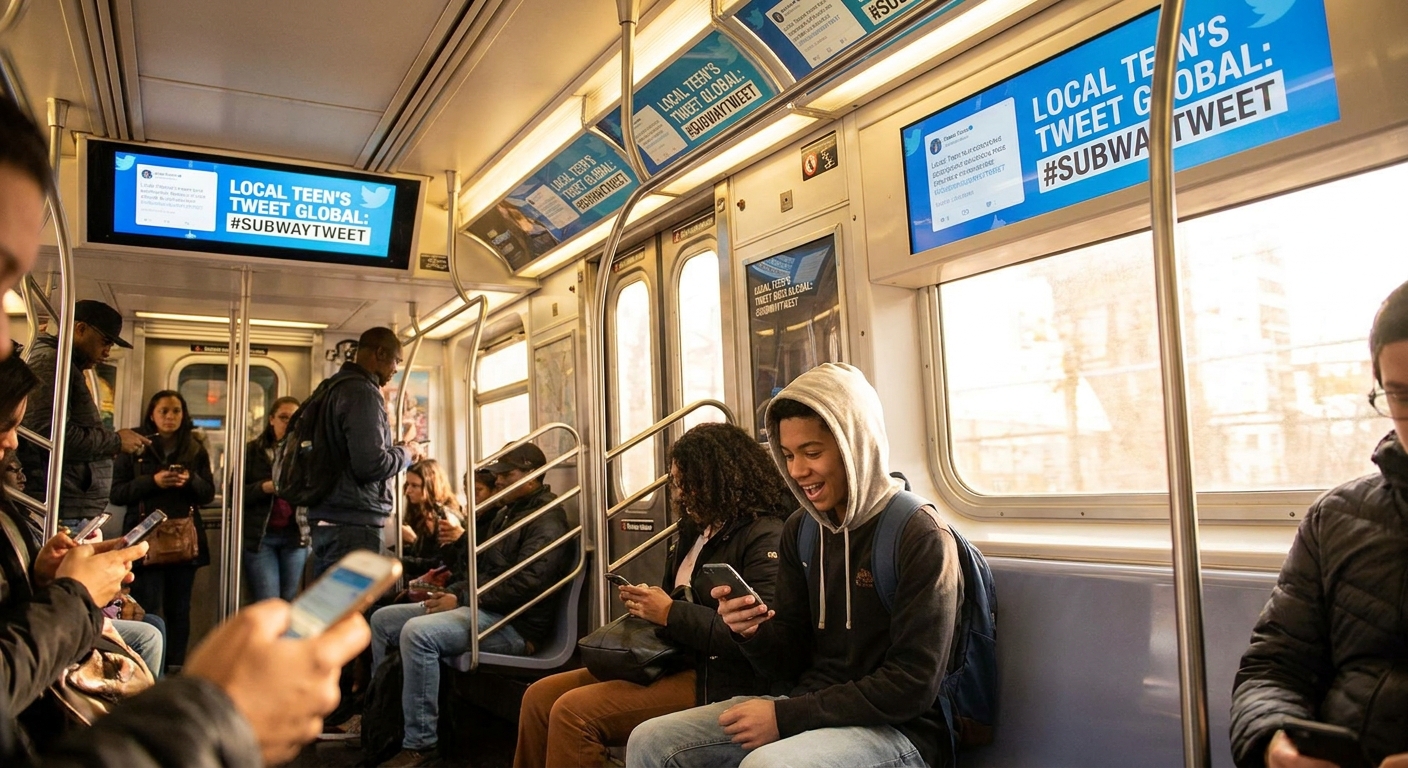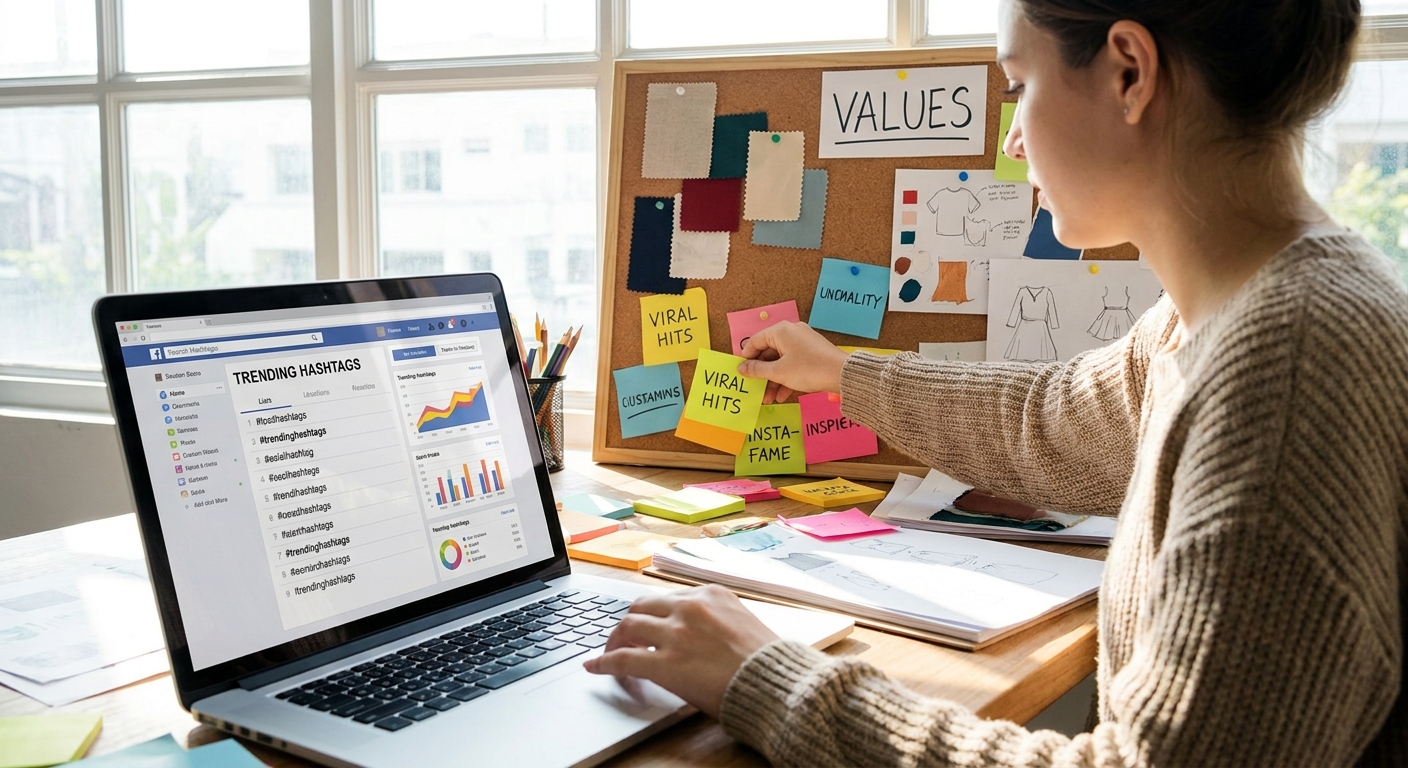
In a world where sounds go viral before you’ve finished your coffee, the phrase “slow trend” sounds like a contradiction.
Wait, Since When Do Trends Move… Slowly?
And yet, underneath the hyper‑speed chaos of viral moments, something quieter is happening:
- People are getting tired of chasing every new thing.
- Algorithms are (slowly) rewarding depth and watch time, not just spikes.
- Long‑lasting, personality‑driven trends are outliving quick memes.
The idea of what counts as “trending” is changing—and it might be the healthiest shift the internet’s had in a while.
Fast Trends vs. Slow Trends: What’s the Difference?
First, let’s draw a line between two kinds of trending.
Fast Trends
These are the ones we all know:
- A joke format that explodes for three days
- A dance that everyone does for a week
- A chaotic news story that dominates for 48 hours
They’re:
- Short‑lived
- Highly shareable
- Extremely context‑dependent
You blink, you miss them.
Slow Trends
Slow trends don’t feel like trends at first. They feel like:
- A niche hobby more people keep picking up
- A tiny aesthetic that eventually shows up in stores
- A content style that quietly becomes the standard
They’re:
- Gradual
- Sustainable
- Often tied to values, not just vibes
Instead of blowing up and burning out, slow trends accumulate.
Real‑World Examples of Slow Trends Hiding in Plain Sight
Slow trends are like background apps in your brain—you forget they’re there until you notice how much they’re doing.
Here are a few that have been reshaping culture for years.
1. The Rise of Cozy and Comfort Content
Have you noticed how popular these things have become:
- “Lo‑fi beats to relax and study to” streams
- Clean‑with‑me and reset‑my‑life videos
- Cottagecore and soft living aesthetics
None of these blew up overnight. They grew quietly as more people:
- Felt burnt out
- Wanted calm instead of chaos
- Looked for content that made their nervous systems exhale
Now, they’re everywhere—from TikTok to brand campaigns to interior design.
2. The Normalization of Therapy‑Talk
Phrases like:
- “Set a boundary”
- “Hold space for”
- “Emotional labor”
All slowly slid from therapist offices into group chats, then onto timelines.
There was no single “therapy‑speak goes viral” moment. Just a thousand small posts, podcasts, and discussions that kept nudging the culture.
Now, you see these terms in:
- Tweets
- Romance novels
- HR training
That’s a slow trend: less “boom,” more “drip, drip, drip.”
3. Long‑Form Making a Comeback
While everyone declared attention spans dead, the following quietly thrived:
- 2‑hour podcast episodes
- Deep‑dive video essays
- Serialized newsletters
Platforms adjusted:
- YouTube rewards watch time.
- TikTok boosted video length limits.
- Spotify bet big on podcasts.
Attention didn’t disappear; it just became more selective. That’s a slow trend reshaping how creators work and how platforms design features.
Why Slow Trends Matter More Than We Think
Fast trends are flashy, but slow trends actually change behavior.
Fast trends:
- Make you laugh
- Fill your scroll
- Disappear
Slow trends:
- Shift how you dress
- Change how you talk
- Influence what you value
If you want to understand where culture is really heading, you can’t just watch the top of the trending chart. You have to pay attention to what keeps returning, in slightly new forms, over time.
What’s Fueling the Move Toward Slower Trends?
Slow trends aren’t an accident. They’re a response to the way we’ve been living online.
1. Burnout From Constant Novelty
People are tired:
- Tired of keeping up
- Tired of performative outrage
- Tired of feeling like they’re arriving late to every meme
Slow, recurring trends offer comfort:
- You know the format
- You know the vibe
- You can drop in and out without missing “the point”
2. Algorithms Growing Up (A Little)
Platforms discovered something about slow trends:
- Consistent engagement over months = stable ad revenue
- Personality‑driven formats (vlogs, series, recurring bits) keep viewers coming back
So they reward:
- Series content
- Reliable verticals (like “story time,” “day in my life,” “what I eat in a day”)
- Evergreen topics with long tails (finance tips, health, hobbies)
The result? Fewer one‑hit wonders, more slow‑building creators and formats.
3. A Hunger for Identity, Not Just Participation
Fast trends let you participate. Slow trends help you express who you are.
You don’t define yourself by a three‑day meme. You might define yourself by:
- A long‑term aesthetic (minimalist, maximalist, indie sleaze, coastal grandma)
- A lifestyle choice (remote work, van life, city girl, plant parent)
- A recurring interest (true crime, K‑dramas, DIY, sourdough)
Slow trends function like cultural neighborhoods you can live in, not just street parties you pass through.
How to Spot a Slow Trend Early
If you’re a creator, marketer, or just trend‑curious, slow trends are where the real opportunity lives.
Here’s what to look for:
Repetition across platforms
- You see similar themes on TikTok, YouTube, podcasts, and newsletters. - Example: “Digital decluttering” shows up everywhere, not just in one app.
Behavioral shifts, not just jokes
- People are changing what they do, not just what they post. - Example: More people actually budgeting, journaling, or tracking habits.
Language that sticks
- New phrases become part of everyday speech. - Example: “Main character energy,” “delulu,” “girl dinner” hanging around far past their meme peak.
Products and services forming around it
- When brands start building offerings around an idea, chances are it’s a slow trend, not a blip.
Using Slow Trends in Your Own Life (Without Being Cringey)
You don’t have to be a creator to benefit from understanding slow trends. You can use them to make smarter choices about how you spend time, money, and attention.
Try this:
1. Ask: “Is this a fast mood or a slow shift?”
Before jumping on something new—a challenge, a product, a content format—pause:
- Fast mood: It’s everywhere all at once, but feels shallow.
- Slow shift: You’ve seen variations of this appear for months.
Invest your energy in slow shifts. They’re more likely to align with where culture is actually going.
2. Build Routines Around Slow Trends You Like
If a slow trend genuinely resonates (say, slow mornings, reading more, or cooking at home):
- Turn it into a small routine.
- Ignore the aesthetic pressure.
- Focus on the underlying value.
Let the internet aesthetic be inspiration, not a performance requirement.
3. Resist the Pressure to “Rebrand” Every Three Weeks
Creators especially feel this: “Should I pivot to this new trend to stay relevant?”
Instead:
- Anchor yourself in one or two slow trends that fit your personality or expertise.
- Use fast trends as seasoning, not the main dish.
You’ll build an audience—or a life—that doesn’t evaporate when a meme dies.
The Future of Trending Might Be… Less Noisy
We’re not headed for a world without viral chaos. There will always be wild weeks when one story or sound takes over everything.
But beneath that surface, the momentum is shifting.
- Long‑term habits are trending.
- Values‑driven aesthetics are trending.
- Depth, consistency, and familiarity are trending.
The next time you feel like you’re falling behind because you missed the meme of the week, remember:
You’re not late.
You might just be on the slower, quieter edge of what’s actually reshaping the culture—and that’s often where the good stuff lives.