You’ve probably opened an app today, seen the Trending tab, and tapped it almost on autopilot.
The Secret Life of the “Trending” Tab
A meme, a celebrity breakup, a random raccoon video – your brain goes, “Everyone’s talking about this, I should probably know what’s going on.”
That tiny, anxious tug? That’s the engine of the modern internet.
We treat “trending” like a neutral label, but it’s actually a powerful cultural force. It shapes what we talk about at lunch, what brands create, what newsrooms cover, and even how we remember certain weeks or years.
Let’s pull back the curtain on why we’re so drawn to what’s trending, and how you can use trend culture without letting it use you.
What Does “Trending” Actually Mean?
On the surface, trending just means: “A lot of people are paying attention to this right now.”
But under the hood, it’s more complicated:
- Algorithms: Platforms like X (Twitter), TikTok, and Instagram prioritize spikes in engagement – not necessarily importance.
- Speed over depth: Fast likes and shares beat slow, thoughtful reactions.
- Network effect: Once something is labeled “trending,” more people click it, making it trend even more.
So what shows up as trending isn’t a mirror of reality; it’s a reflection of what’s spiking in a particular time and place, among a particular user group, inside a particular app.
It feels like a global town square. It’s really more like five different nightclubs sharing a wall.
Why Our Brains Love Trends (Even When We Say We Don’t)
If you’ve ever rolled your eyes at a trend, then proceeded to scroll through 57 videos about it, you’ve experienced this tension.
Three big psychological levers make trends irresistible:
1. FOMO and the Fear of Being Left Out of the Joke
Jokes, memes, and references move faster than ever. If you miss the origin of a meme, you can feel socially “out of the loop” in group chats, at work, or online.
Being in on what’s trending is its own kind of social currency:
“Oh, you haven’t seen the video everyone’s talking about?”
You have about 48 hours before that sentence starts appearing in your life.
2. Herd Instinct, Upgraded for Wi‑Fi
Humans have always looked to the crowd for clues about what to think, buy, or avoid.
The difference now:
- Instead of your village of 150 people, you’re plugged into billions.
- Instead of slow, local consensus, you get instant, global dogpiles.
If everyone’s sharing a clip, it must be worth your time, right?
Not necessarily. But your brain evolved for caves, not timelines.
3. The Dopamine Hit of “New, New, New”
Trending content is almost always:
- New
- Emotional
- Easy to react to
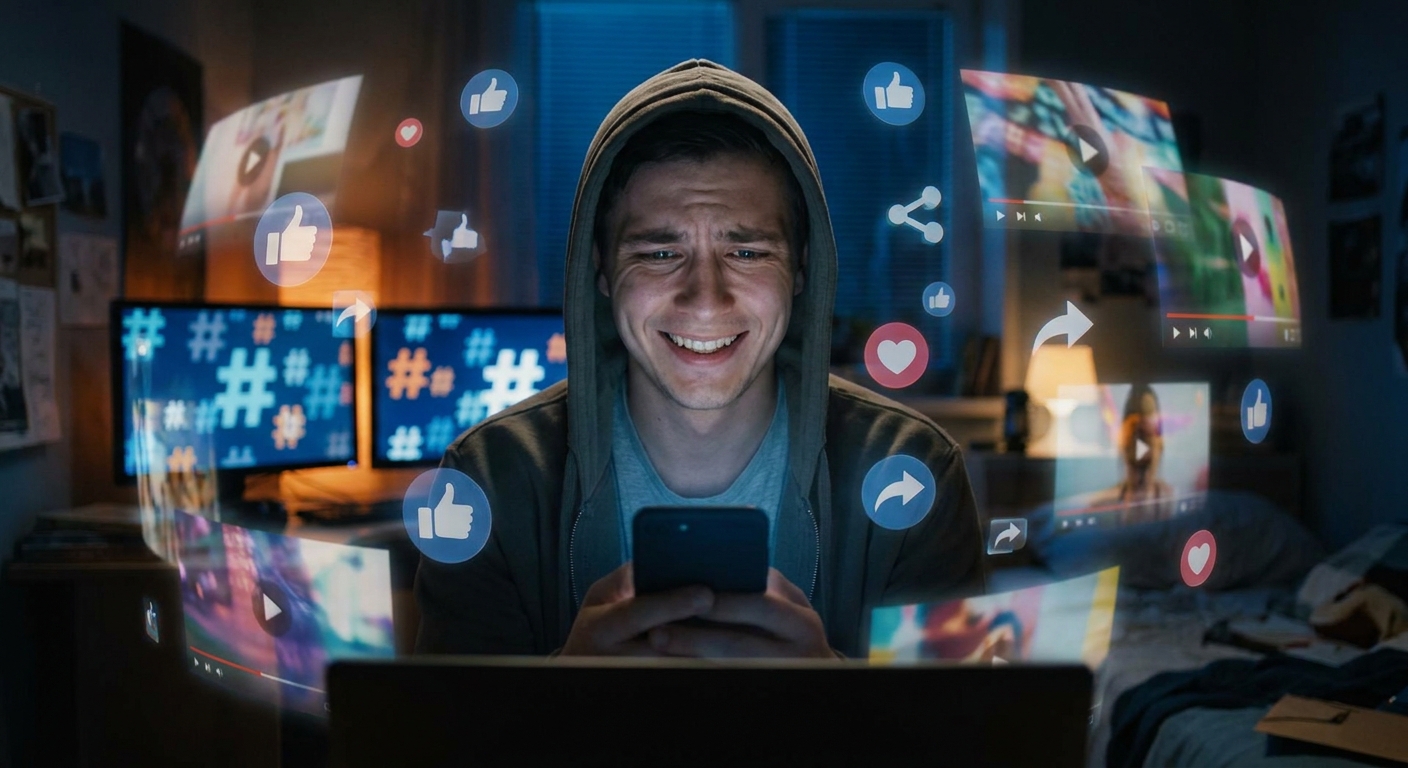
That’s a perfect combination for a quick dopamine buzz. Outrage, cuteness, shock, or awe – the content that trends hardest tends to trigger our strongest emotional reflexes.
The Hidden Cost of Chasing What’s Trending
There’s nothing wrong with enjoying what’s trending. The problem starts when trending becomes your main filter for what deserves attention.
Here’s what that can quietly do to you:
1. It Trains Your Brain for Chaos
Constantly jumping from one trending topic to the next trains your attention to prefer:
- Short over deep
- Loud over meaningful
- Fast over thoughtful
Long reads feel harder. Books feel impossible. Conversations without a viral reference? Kind of boring.
2. It Flattens Our Sense of Importance
A humanitarian crisis, a PR stunt, and a goofy pet video can all trend together.
On your feed, they’re given:
- The same amount of space
- The same visual layout
- The same basic metrics (views, likes, shares)
Your brain has to work overtime to decide: What’s actually worth caring about?
3. It Adds “Ambient Stress” You Can’t Quite Name
Ever feel tired after scrolling trends without knowing why?
- You’re ping‑ponging between outrage and amusement.
- You’re processing dozens of micro‑conflicts.
- You’re silently comparing your life to people going viral.
It feels like “entertainment,” but your nervous system might disagree.
How to Use Trends Intentionally Instead of Mindlessly
You don’t need to delete all your apps and move to a cabin in the mountains. You just need a bit of trend hygiene.
Here’s a practical way to keep the fun and lose the burnout.
1. Decide: Am I Here to Be Informed or Entertained?
Before you tap that trending tab, ask yourself:
“Am I opening this to relax, or to understand what matters today?”
Then choose accordingly:
- Entertainment? Great. Treat it like Netflix. You’re browsing for fun.
- Information? Filter harder. Look for multiple sources beyond a single viral post.
Even that tiny moment of intention changes how you experience what you see.
2. Limit “Trend Dives” to Specific Windows
Instead of letting trends ambush you all day:
- Pick 1–2 short windows where you allow yourself to check what’s trending.
- Outside those windows, avoid the trending tab or set app limits.
You’ll be surprised how much calmer your brain feels when you’re not constantly on call for the next big thing.
3. Balance Fast Trends With Slow Media
For every 30 minutes you spend on fast, trending content, try to balance it with slow content:
- A book chapter
- A long‑form article
- A thoughtful podcast
Trends are the social snacks. Slow media is the actual meal.
4. Ask: Who Benefits From This Trending?
Whenever a topic blows up, quietly ask:
- Who gains attention, money, or power from this going viral?
- Is this organic outrage, or manufactured distraction?
You don’t need a conspiracy board with red string. Just a tiny bit of skepticism can keep you from being pulled into fake “controversies” built for clicks.
Turning Trends Into Tools (Instead of Distractions)
Trends can be useful when you flip the script.
Think of them as:
- Conversation starters: Use a trending topic to open real conversations with friends, not just hot takes.
- Cultural weather reports: What people are joking or fighting about today reveals deeper anxieties underneath.
- Creative prompts: Artists, writers, and creators often remix trends into something more lasting.
Instead of asking, “What’s trending?” you can ask:
“What does this trend say about what people are feeling right now?”
That’s where it gets interesting.
So… Do You Actually Need to Keep Up?
Here’s the uncomfortable truth: You will always miss some trends.
There will always be:
- A meme you discover three weeks late
- A viral video you never see
- A discourse you completely skip
And you’ll be fine.
The goal isn’t to keep up with everything.
The goal is to:
- Stay connected enough to understand the cultural moment
- Protect your time and attention from being fully hijacked
- Choose what you care about, instead of letting an algorithm decide
In other words: Let trends knock on the door. Just don’t let all of them move into your brain rent‑free.
The Bottom Line
Trending content feels like the pulse of the world. Sometimes it is. Often, it’s just the loudest noise in the room.
You don’t have to opt out of trends to live a calmer, smarter digital life. You just have to:
- Notice why you’re drawn to them
- Decide what they’re allowed to do to your attention
- Remember that what’s trending today is tomorrow’s, “Oh yeah, remember when…?”
Enjoy the scroll. Just make sure you’re the one holding the phone – not the other way around.