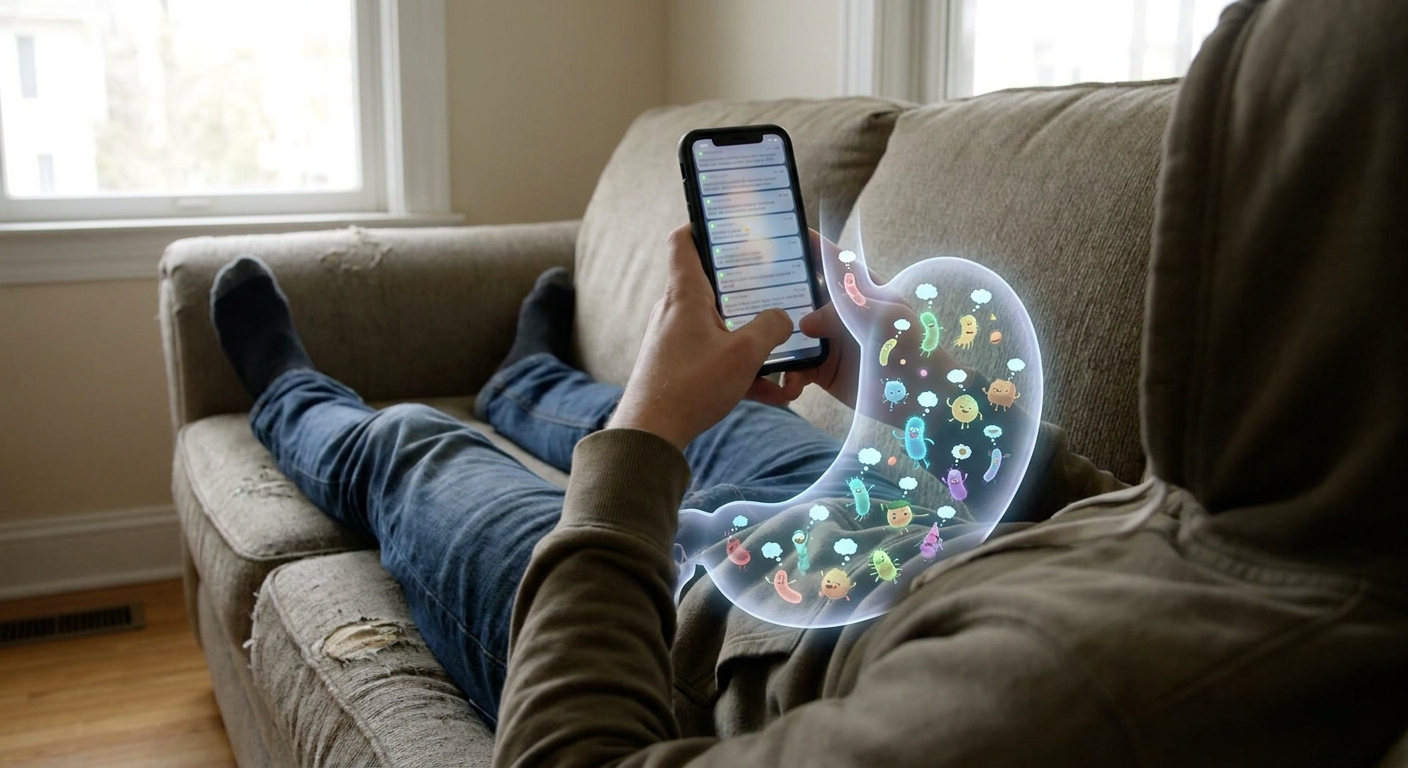
If you’ve ever promised yourself, “New week, new me,” then burned out by Wednesday, you’re not alone. Our culture loves the dramatic health overhaul — the 5 a.m. gym selfies, the 30‑day detox, the color‑coded meal prep boxes.
Why Tiny Habits Beat Big Health Overhauls
But here’s what’s quietly reshaping the future of health: tiny, boring, almost invisible habits.
The science is pretty ruthless about it. Big, flashy changes look good on Instagram. Small, consistent ones quietly change your metabolism, mood, and even how your brain is wired — and they don’t require a personality transplant.
Let’s walk through seven “quiet health habits” that sound almost too small to matter, but absolutely do.
1. The 30‑Second Morning Light Rule
You don’t need a sunrise yoga retreat. You just need your front step.
The habit: Within an hour of waking, step outside for 30–120 seconds and let natural light hit your eyes (no sunglasses if possible, but don’t stare at the sun).
Why it works:
- Morning light resets your circadian rhythm, your body’s internal clock.
- That clock runs everything — sleep, hormones, hunger, body temperature, mood.
- Exposure to bright light early in the day has been linked to better sleep quality and lower rates of depression.
- Sip your coffee by an open window or on a balcony.
- Walk to the mailbox instead of checking your phone in bed.
- Open your blinds fully before you look at screens.
How to actually do it:
This doesn’t feel like “fitness.” But stay consistent for a few weeks and your sleep and energy levels might give you away.
2. The ‘Half‑Plate Plants’ Trick (No Diet Required)
Forget macros, points, and apps for a second.
The habit: At one meal per day, aim to make half your plate plants — veggies, fruits, beans, or whole grains. No foods are banned. Just crowd the plate with plants.
Why it works:
- Plants carry fiber, which feeds your gut bacteria (the ones linked to immunity, mood, and inflammation control).
- Most people in Western countries eat half the recommended fiber.
- More plants usually means fewer ultra‑processed fillers without white‑knuckling willpower.
- Order a side salad or veg with takeout and dump it right on your main plate.
- Add frozen veggies to pasta or ramen. (Yes, frozen is fine.)
- Swap chips for fruit once a day, not forever.
How to actually do it:
This is diet agnostic — vegan, keto, Mediterranean, “I eat whatever my grandma cooks” — it still fits.
3. The Two‑Minute Strength Rule
Long workouts are great, but the biggest jump in health comes from going from nothing to a little.
The habit: Once a day, do two minutes of something that challenges your muscles:
- Wall sits
- Squats next to your desk
- Countertop push‑ups
- Carrying heavy grocery bags a little farther
- Muscle mass is one of the strongest predictors of healthy aging.
- Short strength “snacks” can improve insulin sensitivity and blood sugar control.
- Building the identity of “someone who moves” is more important than nailing a perfect routine.
- Pair it with something automatic (e.g., 10 squats while your coffee brews).
- Turn phone‑scroll time into a 2‑minute wall sit challenge.
- Do countertop push‑ups while waiting for water to boil.
Why it works:
How to actually do it:
You’re not training for the Olympics; you’re just raising the floor of your everyday health.
4. The ‘90‑Second Pause’ Before Second Helpings
This one has nothing to do with willpower and everything to do with your nervous system.
The habit: When you finish your plate and want more, pause for 90 seconds before deciding.
Why it works:
- Satiety signals from your gut to your brain are delayed.
- Slowing down gives your body a chance to tell you if it’s actually still hungry.
- It interrupts autopilot eating, which is where a lot of overeating happens.
- Use a small ritual: sip water, stretch your shoulders, send one text.
- Ask yourself: “If this was the last bite of the night, would I be okay?”
- If the answer is “No, I’m still hungry,” then absolutely eat more — now it’s a choice, not a reflex.
How to actually do it:
The goal isn’t to eat less; it’s to eat more consciously.
5. The One‑Tab Rule for Sleep
We treat our brains like 47 open tabs in a browser. Then we wonder why we can’t fall asleep.
The habit: One hour before bed, pick one low‑stimulation thing and stick to it — one show, one book, one game, one conversation. No multitasking.
Why it works:
- Constant task‑switching keeps your brain in a state of alertness.
- Pre‑sleep wind‑down signals your nervous system that it’s safe to shift into rest mode.
- Better sleep is tied to everything from reduced inflammation to better emotional regulation.
- Tell yourself: “I’m allowed screen time, but only one thing at a time.”
- Put your phone in another room to charge and watch TV from a distance.
- Or go analog: stretching, journaling, or reading one physical book.
How to actually do it:
This is not about perfection; it’s about giving your brain a chance to power down properly.
6. The ‘Social Check‑In’ That’s Better Than a Supplement
Loneliness hits the body almost like a chronic illness. Studies link it with higher risk of heart disease, dementia, and early death.
The habit: Once per day, send one genuine message to someone: a voice note, a meme, a “saw this and thought of you,” or a quick call.
Why it works:
- Social connection triggers oxytocin, which lowers stress hormones.
- Feeling seen is a biological need, not a personality quirk.
- You don’t need a huge circle — consistent, small touches matter more than grand gestures.
- Combine it with a daily cue: on your commute, during lunch, or before bed.
- Rotate people: family, old friends, work buddies.
- Keep it low‑pressure. You’re not writing a novel; you’re just saying, “Hey, you exist to me.”
How to actually do it:
Think of it as emotional flossing: quick, simple, pays off later.
7. The 10‑Breath Reset for Overloaded Days
Nervous system regulation is the new cardio — and it might matter just as much.
The habit: Once a day, take 10 slow breaths where the exhale is longer than the inhale. For example:
- Inhale for a count of 4
- Exhale for a count of 6
- Longer exhales activate the parasympathetic nervous system — your “rest and digest” mode.
- This can lower heart rate and reduce feelings of stress.
- Over time, your baseline stress response can become less reactive.
- Do it in the bathroom, at your desk, in your car — eyes open is fine.
- Use it as a buffer before meetings, tough conversations, or after doomscrolling.
- If counting stresses you out, just focus on a slow, sighing exhale.
Why it works:
How to actually do it:
Stress isn’t going anywhere. Your toolkit for handling it can get better.
How to Make These Habits Actually Stick
You don’t need all seven. In fact, pick one that feels almost laughably easy and start there.
Some simple rules:
- Make it tiny. Two minutes of movement beats a 45‑minute workout you never start.
- Attach it to something you already do. Coffee, commuting, brushing your teeth.
- Track it visibly. Checkmarks on a calendar, a simple note app — your brain loves streaks.
- Aim for consistency, not perfection. 80% done for six months beats 100% done for six days.
Health doesn’t have to look like a reboot montage. It can look like a series of quiet, almost unremarkable decisions that, over time, completely change where your life is heading.
Start small. So small you’re almost embarrassed to call it a habit.
That’s where the revolution usually begins.