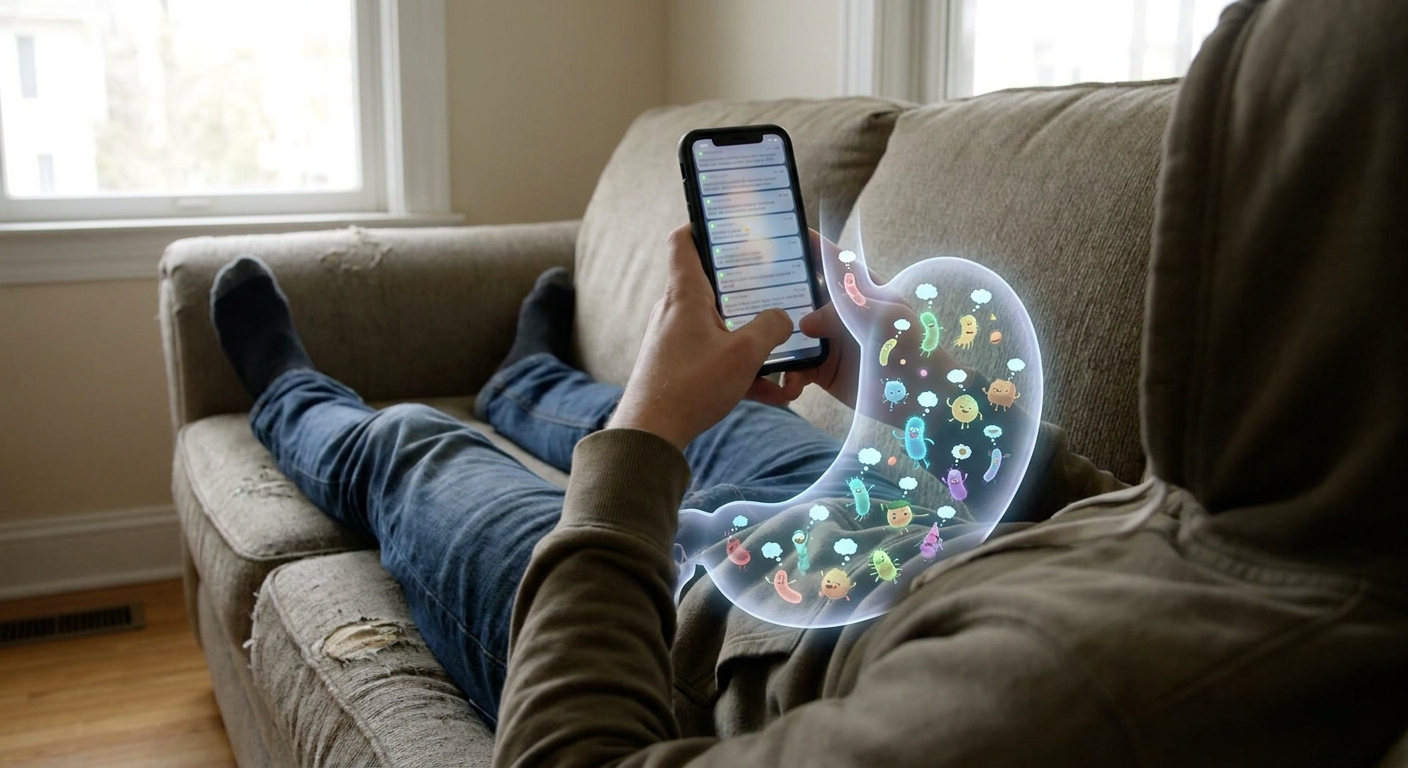
A decade ago, bragging about how little you slept was a weird badge of honor. “I’ll sleep when I’m dead,” people said, while downing their third coffee.
How Sleep Became the New Flex
Now? CEOs are name‑dropping their bedtime. Athletes talk about sleep like it’s performance‑enhancing. Sleep trackers are the new step counters.
But here’s the thing: getting decent sleep still feels impossible for a lot of people. Work, kids, late‑night TikTok holes, group chats in three time zones — life is not exactly built around circadian rhythms.
The good news: you don’t need a flawless 10‑step night routine or a 5 a.m. wakeup to fix your sleep. You need to understand a few key levers — and nudge them in your favor.
Why Sleep Matters More Than We Were Told
Sleep isn’t just “rest.” It’s an active, messy, behind‑the‑scenes cleanup shift.
While you sleep:
- Your brain literally washes out metabolic waste.
- Memories are sorted, tagged, and stored.
- Muscles repair and grow.
- Hunger and stress hormones reset.
- Immune cells run a security sweep.
- Higher risk of heart disease and type 2 diabetes
- Weight gain and stronger junk‑food cravings
- Anxiety, irritability, and low mood
- Slower reaction times (yes, like driving drunk levels of slow)
Consistently skimping on sleep has been linked to:
In other words: you can’t really “hack” your way around bad sleep with coffee and willpower. At some point, the bill lands.
The Two Systems That Run Your Sleep (And How We Mess Them Up)
Think of your sleep as controlled by two main systems.
1. Your Body Clock (Circadian Rhythm)
This is your internal 24‑hour schedule. It’s influenced by:
- Light exposure (especially morning and evening)
- Meal timing
- Regularity (consistent sleep/wake times)
Screens late at night, bright overhead lights, and random bedtimes all confuse this clock.
2. Sleep Pressure (Adenosine Build‑Up)
The longer you’re awake, the more a chemical called adenosine builds up in your brain, making you sleepy.
Caffeine blocks adenosine.
Which is why that “harmless” 4 p.m. iced coffee might be calling the shots at 1 a.m.
What Actually Works: 6 Levers You Can Pull
You don’t need to pull all six. But the more you adjust, the easier sleep becomes.
1. Fix Wake‑Up Time First, Not Bedtime
Most people start with, “I’ll go to bed earlier.” Then they lie there wide‑awake, staring at the ceiling.
Flip it.
- Pick a realistic wake‑up time you can keep 6–7 days a week.
- Get out of bed at that time, even if you slept badly.
- Within an hour of waking, get natural light in your eyes.
Do this for a week. Your body will gradually drag your bedtime earlier on its own.
2. Give Caffeine a Curfew
You don’t have to give up coffee. You might need to change when you have it.
- Caffeine has a half‑life of ~5–6 hours. That means half of it is still in your system after that.
- For most people, stopping caffeine 8–10 hours before bedtime works well.
If you go to bed at 11 p.m., aim for no caffeine after 1–3 p.m.
If that sounds painful, taper slowly: move your last cup 1 hour earlier each week.
3. Build a Wind‑Down Bridge (Not a Brick Wall)
You can’t sprint through a frantic day and then expect to slam into perfect sleep in 5 minutes.
You need a wind‑down bridge:
- 30–60 minutes before bed
- Reduced stimulation, not total banishment of technology
- Swap fast‑paced, intense shows for slower, low‑stakes ones.
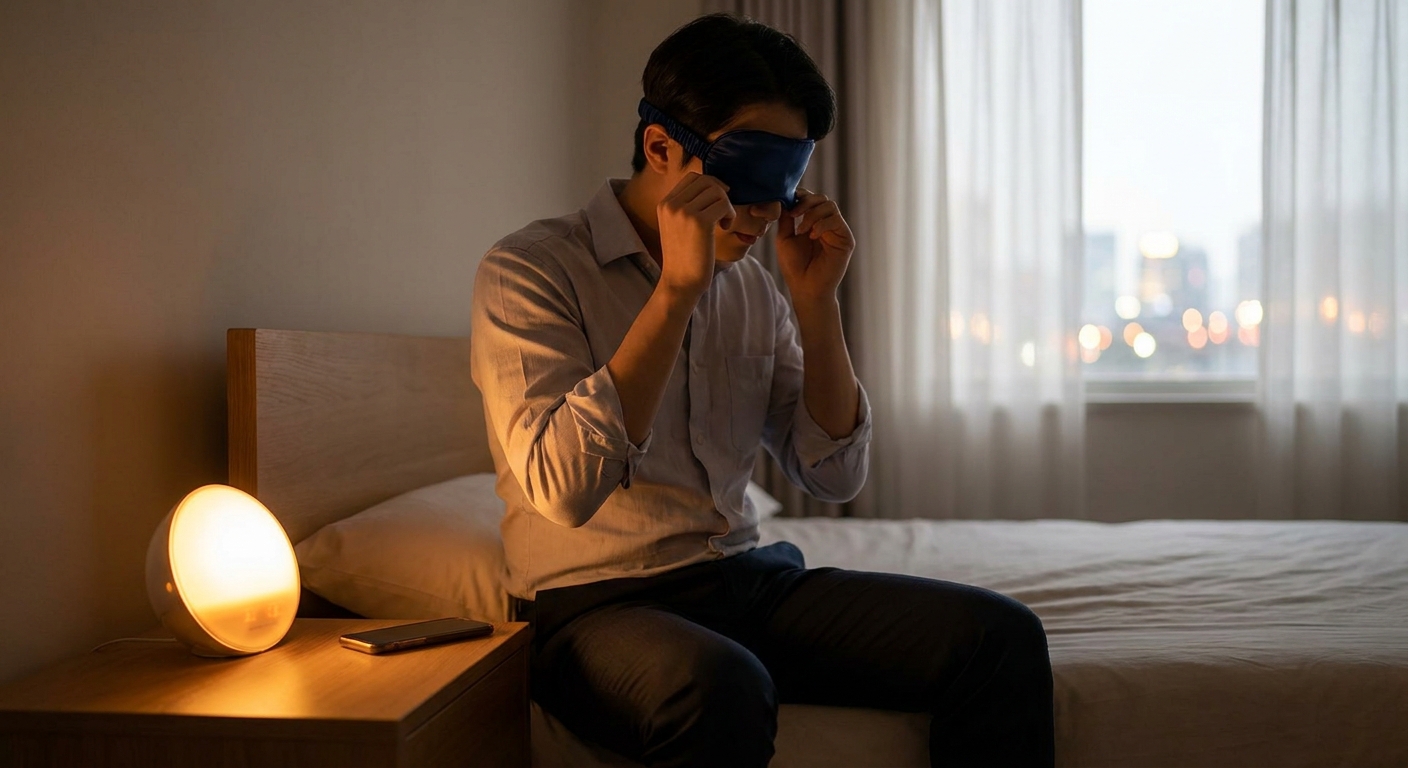
- Dim lights, especially overhead ones; use lamps or warm light.
- Stretch, foam roll, or do gentle yoga while watching something comforting.
Ideas:
The signal you’re sending is: “We are safe. We are done. We can power down now.”
4. Make Your Bedroom Boring (In a Good Way)
Your brain learns to associate places with activities.
If your bed is for:
- Work
- Studying
- Doomscrolling
- Arguing
…your brain stops seeing it as a cue for sleep.
Ideal setup:
- Dark (blackout curtains or a cheap sleep mask)
- Cool (around 65–68°F / 18–20°C)
- Quiet (or consistent noise, like a fan or white‑noise app)
And if you can swing it: no work laptop in bed.
5. Use the “20‑Minute Rule” When You Can’t Sleep
Lying awake for hours trains your brain to associate bed with stress.
If you’ve been in bed for ~20 minutes and you’re still wide‑awake:
- Get up and go to a different room (or different corner of the room).
- Do something low‑key: read a physical book, do a puzzle, listen to a calm podcast.
- Go back to bed when you feel sleepier.
Yes, it’s annoying. But a week of this can dramatically retrain your brain.
6. Don’t Panic About One Bad Night
The spiral goes like this:
“I’m not sleeping… if I don’t sleep I’ll ruin tomorrow… why can’t I sleep… what’s wrong with me?”
That anxiety boosts adrenaline, which makes sleep even harder.
Here’s the reality:
- One bad night won’t break your health.
- Your body will often naturally correct with slightly deeper sleep the next night.
Instead of panicking, try this reframe:
“Tonight is a low‑sleep night. Tomorrow might feel rough, but I’ve handled that before. My job is just to protect my wake‑up time and keep my habits.”
You’re not trying to force sleep. You’re creating the conditions where it can show up.
But What If My Lifestyle Is Just… Not Sleep‑Friendly?
Shift work, new babies, caregiving, and demanding jobs are real. You can’t always sleep 8 hours at the same time every night.
In those cases, focus on what’s possible, not the “ideal” you see on wellness Instagram:
- Prioritize total sleep across 24 hours (naps can help, if they don’t wreck night sleep).
- Keep whatever consistency you can — even if your “night” is 9 a.m. to 3 p.m.
- Still use light to anchor your body clock: bright light when you want to be awake, dim light when winding down.
And drop the guilt. You’re working against biology and society at the same time. Small wins matter.
When to Talk to a Professional
If you’ve tried the basics and still:
- Snore loudly or stop breathing in your sleep (someone else might notice)
- Wake up gasping
- Feel dangerously sleepy while driving
- Have insomnia for more than a few months
- Have restless, painful, or twitchy legs at night
…it’s time to see a doctor or sleep specialist. Conditions like sleep apnea and chronic insomnia are common and treatable — and way more serious than just feeling “a bit tired.”
The Real Flex: Being Rested Enough to Enjoy Your Life
Sleep is not a moral test or a willpower game. It’s a biological need.
You don’t earn it. You support it.
If you:
- Wake at roughly the same time each day
- Get some morning light
- Put a mild curfew on caffeine and chaos
- Give yourself a wind‑down window
…you’re already doing more for your long‑term health than most biohacks combined.
Rested you makes better decisions, has more patience, fights less with people you love, and handles life with more grace.
That’s the real status symbol — not a 5 a.m. alarm screenshot.