Picture this:
You Don’t Spend Money the Same Way You See It
- Dropping three $20 bills on a bar counter.
- Tapping your phone and seeing… nothing happen.
- Clicking “Place Order” at 1:13 a.m. while half-asleep.
All three might cost the same $60. But your brain does not react the same way.
That difference is where a lot of your “Where did my money go?” moments live.
We like to think we’re rational with money. But how you pay—cash, card, tap, or click—quietly rewires how you feel about spending.
Let’s walk through how each method messes with your instincts, and how to set it up so your money habits work for you, not companies.
The Pain of Paying (And Why Companies Want to Numb It)
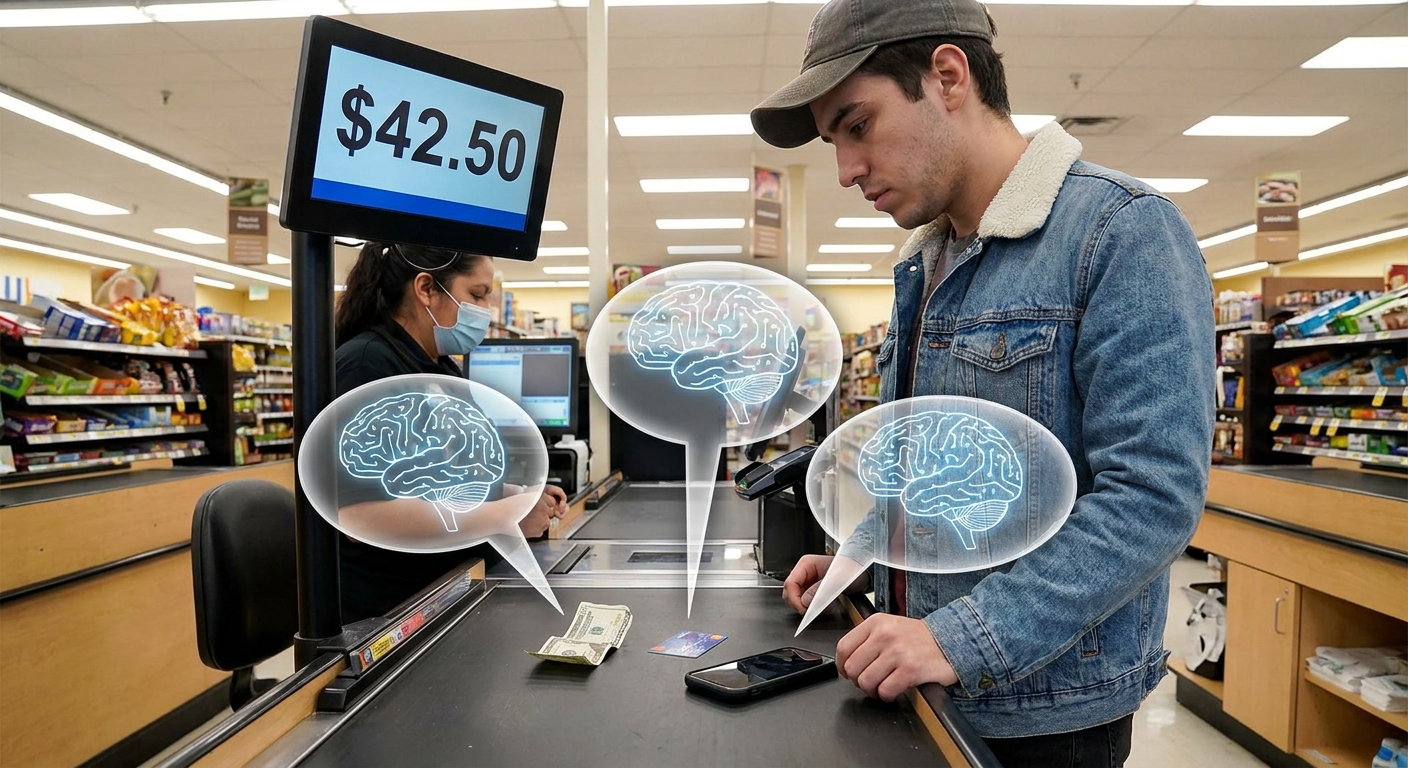
Behavioral economists talk about the “pain of paying”: the little sting you feel when money leaves your control.
It’s not just emotional. Brain scans show real pain centers lighting up when we spend.
Now imagine you’re a business. Do you want customers to feel that sting… or not?
Exactly.
So over time, payment has gone from:
- Physical cash → maximum pain, high awareness.
- Paper checks → still visible, but delayed.
- Cards → abstract numbers on plastic.
- Contactless / in-app → tap, swipe, face-ID, done.
- One-click and subscriptions → you might not even remember you’re paying.
Every step made spending smoother and less noticeable.
Great for sales. Terrible for self-control.
Cash: The Dinosaur That Still Works
Most people under 35 rarely touch cash. But cash has two superpowers digital payments can’t match:
- You physically see it disappear.
- You literally can’t spend more than you have in your wallet.
Studies have found that people spend less when they use cash, especially on:
- Junk food
- Impulse buys
- Guilty pleasure items
Because:
- Counting out bills feels heavier than tapping a screen.
- You’re constantly aware of what’s left.
When cash is powerful:
- Nights out
- Weekend spending
- Categories you chronically overspend on (coffee, takeout, random Target runs)
Try this experiment:
- Decide your “fun money” for the week (say, $60).
- Withdraw it in cash.
- When it’s gone, you’re done.
You’ll probably find yourself doing tiny mental negotiations you never did with your card.
Debit and Credit Cards: The 2-Second Loan to Your Future Self
Cards made life easier—and blurrier.
Why we overspend with cards:
- The pain is delayed.
- With credit, you don’t feel the cost fully until the statement hits.
- Even with debit, there’s no physical separation of money—you don’t “see” it vanish.
- Rewards hijack your brain.
- Points, miles, cashback… all feel like little hits of dopamine.
- So you mentally discount the price: “Well, I get points, so it’s not really $120.”
- Limits feel like safety.
- A $5,000 credit limit feels like permission, not danger.
But cards are not evil. Used thoughtfully, they can be:
- Safer than carrying cash.
- Helpful for building credit history.
- Convenient for travel & emergencies.
How to use cards without getting wrecked:
- Treat your credit card like a debit card you pay in full every month.
- Turn on notifications for each transaction — let your phone remind you “a real cost just happened.”
- Set a personal limit below the card’s limit. Example:
- Card limit: $4,000
- Your rule: “I never let my balance go above $800.”
Credit isn’t free money. It’s pre-approved debt.
Tap, Mobile Pay, and Buy Now Pay Later: The Frictionless Trap
Contactless payments and services like Apple Pay, Google Pay, Klarna, and Afterpay exist for one main reason:
The easier it is to pay, the more you’ll spend.
What happens in your brain when you tap or split payments:
- Tiny pain, big distance:
Tapping your phone doesn’t feel like losing money. It feels like unlocking access.
- BNPL (Buy Now, Pay Later) shrinks the price in your head:
- $120 shoes? Ouch.
- “Just 4 easy payments of $30”? Oh, that seems small.
- Suddenly you’re juggling 10 different $30s.
- Multiple due dates = mental clutter:
You’re more likely to miss payments or lose track.
When to be careful:
- Online shopping late at night
- Sales with countdown timers
- Stores that heavily push “Pay in 4” as the default option
Friction is your friend. Put some back in.
- Turn off one-click checkout where you can.
- Remove saved cards from sites that tempt you (yes, even that one).
- Use BNPL only for planned, budgeted purchases—and limit it to one item at a time.
If a purchase only feels reasonable when it’s sliced into payments, that’s a red flag.
Subscriptions: The Financial Background Noise
Subscriptions are where money goes to disappear quietly.
Streaming, cloud storage, fitness apps, software, Patreon, beauty boxes, gaming passes… each one feels small. Together, they’re a second rent.
Companies love them because:
- You sign up during a free trial.
- You forget about it.
- Money leaks out monthly, with low emotional impact.
Subscriptions are basically “set-and-forget spending.” You have to fight autopilot with awareness.
Subscription sanity check (30 minutes):
- Pull the last 1–2 months of bank/credit statements.
- Highlight anything that recurs monthly or yearly.
For each one, ask:
- Did I use this in the last 30 days? - Would I re-buy this today at the same price? 4. Cancel anything that fails those tests.
To avoid accidental re-growth:
- Create a folder in your email called “Subscriptions.”
- Every time you sign up for something, drop the confirmation there.
- Review it every 3–6 months.
Matching Payment Methods to Your Personality
This isn’t about one “best” way to pay. It’s about choosing the right tools for your brain.
If you’re an impulse spender:
- Use cash for daily fun money.
- Keep your main credit card at home; carry a low-limit card or debit instead.
- Turn off app store and in-game purchases.
If you’re avoidant (“I don’t like looking at money stuff”):
- Use one primary card/account to simplify tracking.
- Turn on weekly spending summaries in your banking app.
- Have a set “money date” once a week where you glance at all transactions.
If you’re a points hacker (or want to be):
- Great—if you:
- Pay in full every month
- Track due dates
- Know exactly what you’re earning
- But remember:
- A 3% reward on $100 is $3.
- Overspending by $40 chasing points is a net loss.
Points are dessert, not a food group.
Simple Rules to Make Payment Psychology Work For You
Try picking two or three of these to test for a month:
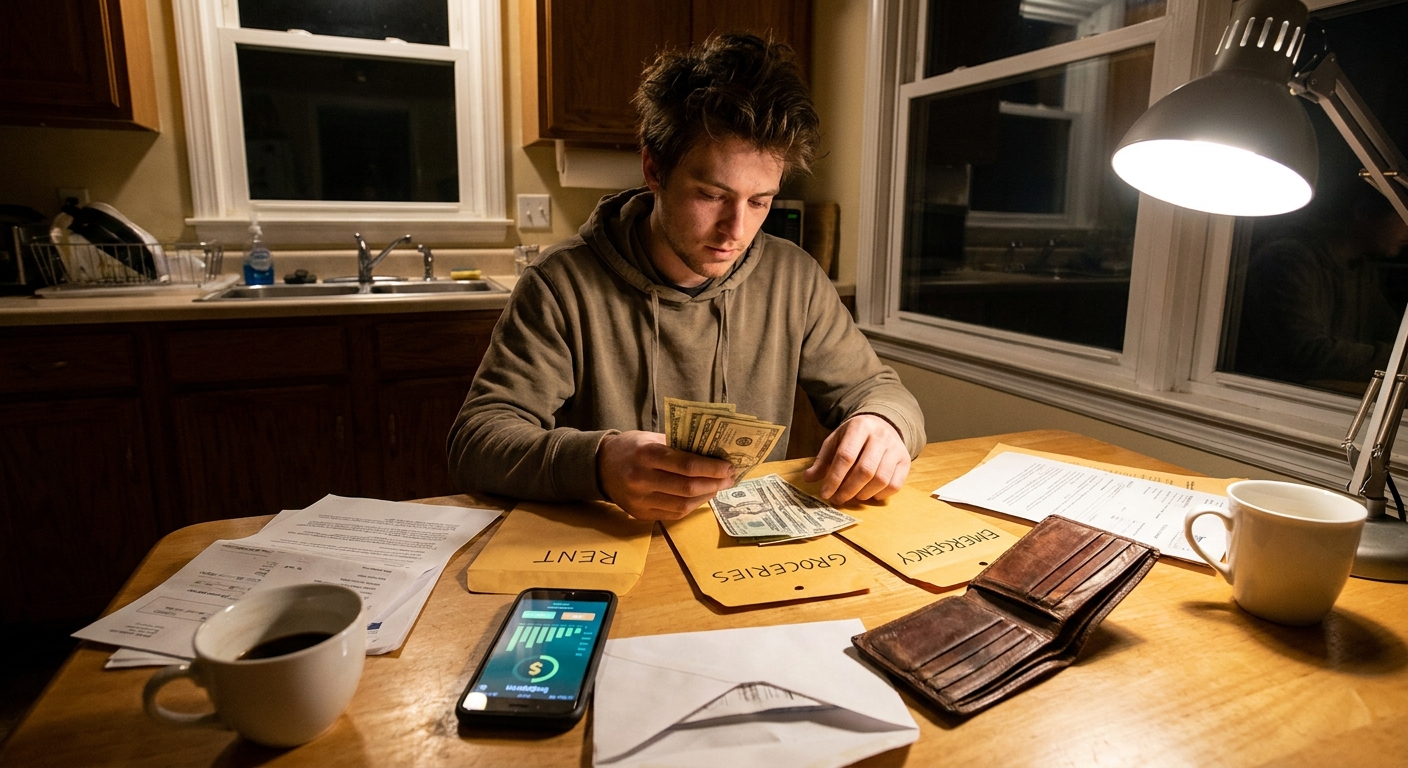
- Cash envelopes for one weak spot.
- Example: “All my coffee and eating out money this month is cash.”
- Card detox week.
- One week where you only use your card for bills and essentials.
- Everything else? Cash or not at all.
- Friction Fridays.
- Every Friday, remove one source of “too easy” spending: unsave a card, unsubscribe from a promo list, delete a shopping app.
- Delay taps by 24 hours.
- For any non-essential purchase over $50 online, save it to a list and wait a day.
- If you still want it and it fits your plan, go for it.
- Visualize the total.
- When you use BNPL or cards, multiply installments in your head.
- Force your brain to see: “This is $120, not ‘just $30.’”
The Goal Isn’t to Go Backward, It’s to Wake Up
We’re not going back to carrying envelopes of cash everywhere. Digital payments are staying—and they’re convenient.
But once you see how each payment method numbs or sharpens your awareness, you can:
- Use cash strategically, not nostalgically.
- Use cards intentionally, not emotionally.
- Use tap-and-go and BNPL with your eyes open, not your brain off.
Money isn’t just what you earn or how much you have saved.
It’s also how you feel when you spend it—calm and in control, or foggy and regretful.
Changing how you pay is one of the fastest ways to change that feeling.
No budget app required. Just a little friction in the right places.