You probably think of bias as something other people have—the rude uncle at dinner, the anonymous troll in the comments, the politician with “views.”
The Awkward Truth: You Have Cultural Bias (So Do I)
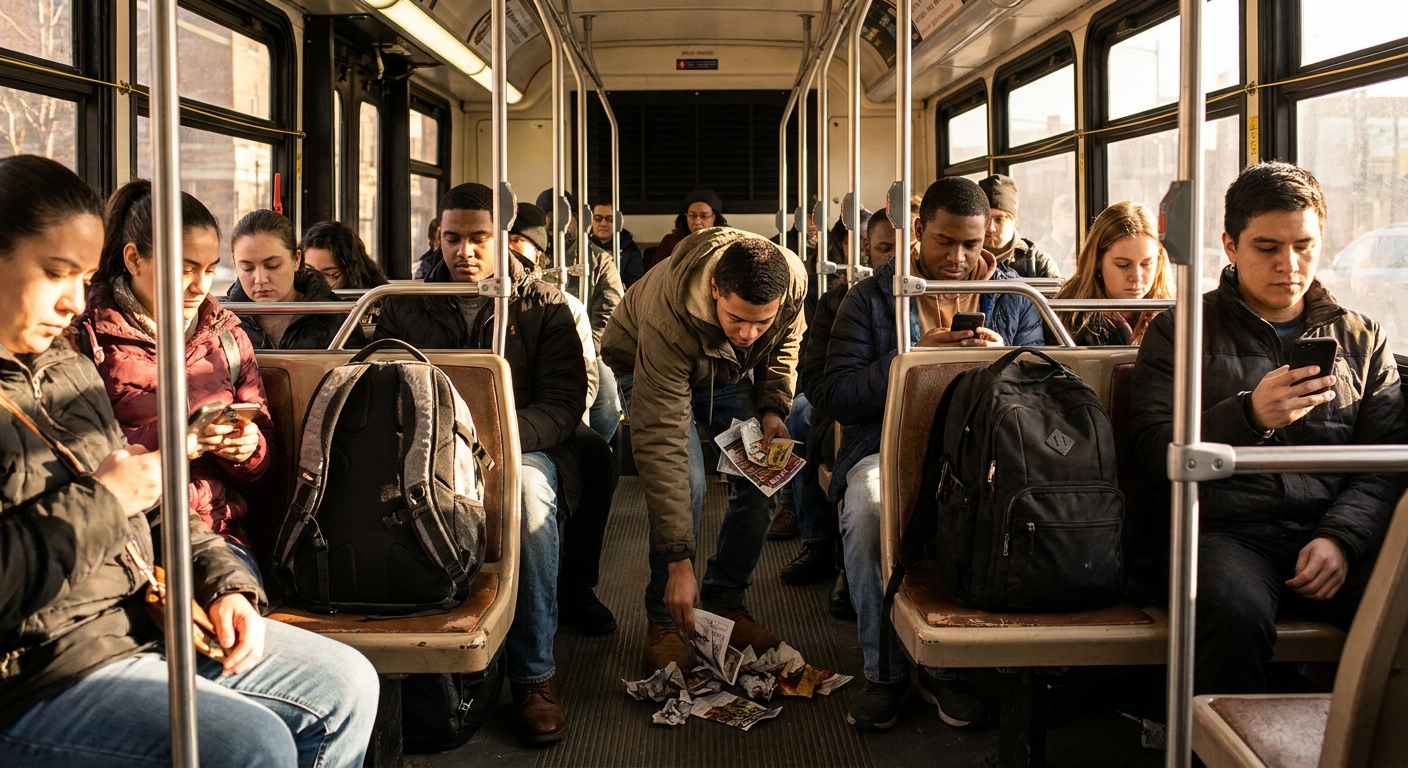
But bias isn’t just about bigotry or headlines. It’s what happens in microseconds, before you have time to be thoughtful: a flash of judgment, a tiny story your brain tells about someone based on almost nothing.
That’s culture at work.
The sneaky part? Bias often shows up in moments so small you barely notice. Let’s walk through seven of those everyday situations and decode what’s really going on.
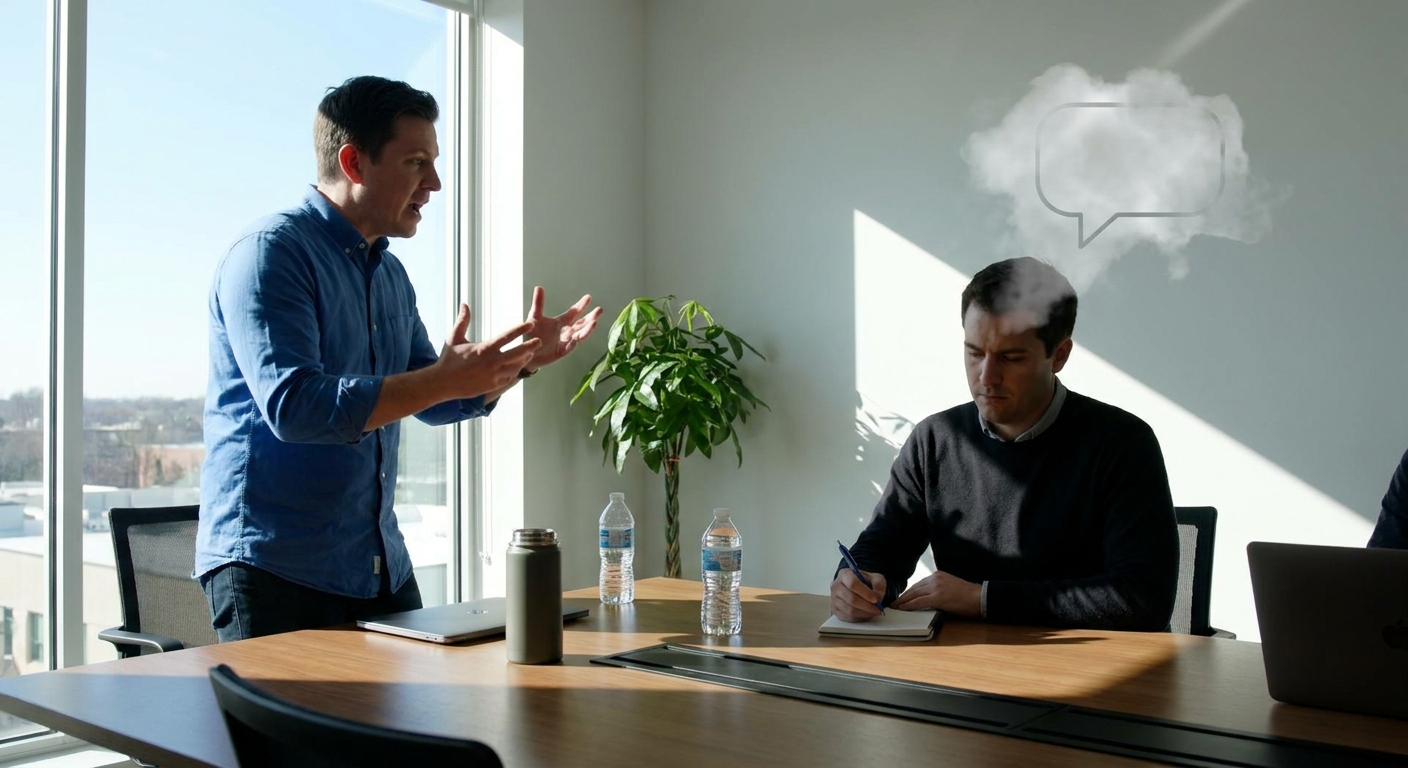
1. The Accent Snap Judgement
You’re on a call. The customer service rep has a strong accent. Do you:
- Speak more loudly and slowly, unconsciously assuming they don’t understand?
- Feel your patience shorten, even though they’ve done nothing wrong?
- Say, “Can I speak to someone else?” but never ask yourself why?
What’s happening culturally
Many cultures quietly rank accents by status. Certain accents are heard as “educated,” “professional,” or “trustworthy,” while others are coded as “less intelligent” or “less competent.”
You didn’t invent that hierarchy. You absorbed it.
Micro-upgrade: Next time you catch yourself reacting to an accent, silently ask: If this person said the exact same words in my accent, would I react differently? That question alone can reset your tone.
2. The Shoes-at-the-Door Moment
You visit someone’s house. They ask you to take your shoes off.
Your instant thoughts might be:
- “This is so extra.”
- “Wow, they’re really clean.”
- “Is my socks situation presentable?”
What’s happening culturally
In some cultures, shoes inside = disrespectful and dirty. In others, it’s normal, and a host asking you to remove them feels weirdly intimate.
Neither is objectively right. They’re just different ways of drawing the line between “public dirt” and “private space.”
Micro-upgrade: Instead of defaulting to annoyance or embarrassment, treat it like a cultural invitation. You’re stepping into their rulebook for a bit. It’s not a judgment of yours—just a different setting.
3. The Group Chat Misfire
You drop a serious message in a group chat—about politics, mental health, work stress—and everyone responds with memes and reaction GIFs.
You think: Wow. No one’s taking this seriously.
Or the opposite: you’re the meme person, and people reply with heavy, texty paragraphs. You think: This chat is exhausting.
What’s happening culturally
Every group chat has a micro-culture: its own language, levels of sarcasm, comfort with sincerity, and tolerance for debate.
Your reaction isn’t about the topic as much as it is about clash of conversational cultures:
- High-context vs. low-context (hinting vs. spelling things out)
- Jokes-first vs. feelings-first
- Debate-welcome vs. harmony-first
Micro-upgrade: Before deciding “these people don’t care,” ask: How does this group usually show care? For some, a meme is a supportive hug.
4. The Restaurant Side-Eye
At a restaurant, a family at the next table is speaking loudly, sharing food, maybe even standing up a bit. Part of you thinks: Can they calm down?
Or you’re that table, and you notice quiet couples glaring.
What’s happening culturally
Cultures draw the line between “vibrant” and “disruptive” very differently:
- In some places, restaurants are extensions of living rooms—kids roam, voices carry, life spills out.
- In others, public spaces are meant to be controlled, quiet, and predictable.
Your annoyance (or shame) is based on what you were taught public behavior should look like.
Micro-upgrade: Swap “rude” for “different setting.” Ask: If this were a street market / pub / family gathering, would I feel the same way? Context changes everything.
5. The Work Email That Feels “Off”
You get an email from a coworker:
Please send me the final report today.
No “hi.” No “hope you’re doing well!” No emoji.
Your brain goes: Wow, aggressive.
Or, you write short emails and are told you seem “cold” or “unfriendly.”
What’s happening culturally
Workplaces are steeped in culture too. Some value directness (“Say what you need, save time”). Others value warmth and politeness (“Signal care through extra words”).
Add national culture, class background, and language differences to the mix and email tone becomes a cultural minefield.
Micro-upgrade: Assume good intent by default. If something feels off, try: Hey, just checking tone—are we good on this? Often the answer is, “Oh gosh, yes. I just write short emails.”
6. The “That’s Not a Real Job” Reaction
You meet someone who says:
- “I make a living on Twitch.”
- “I’m a content moderator.”
- “I do OnlyFans.”
- “I’m a community organizer.”
If your first reaction is That’s not a real job or That won’t last, that’s cultural bias talking.
What’s happening culturally
Every era has its list of “respectable” work. A few decades ago, people rolled their eyes at “web designer.” Now it’s a perfectly normal LinkedIn title.
Your internal job hierarchy is shaped by:
- What your parents called “stable” or “safe”
- Which careers were praised or mocked in your community
- What your culture values: money, prestige, service, creativity, security
Micro-upgrade: Instead of judging, get curious: How does that work? What’s a typical day like? You don’t have to want their job to respect that it’s real.
7. The Wedding Culture Shock
You attend a wedding that’s nothing like what you’re used to:
- No white dress.
- No speeches. Or all speeches.
- Massive guest list—or just ten people.
- Dancing before the ceremony—or none at all.
You feel a mix of fascination, confusion, maybe even a tiny bit of they’re doing it wrong.
What’s happening culturally
Weddings are culture turned up to 100. They put on display:
- Views on community vs. individuality
- Ideas about gender roles, money, and status
- Religious and historical traditions
Your template for “a proper wedding” is just that—a template, not a universal standard.
Micro-upgrade: Instead of comparing, ask someone, What’s the meaning behind this part? People usually light up explaining their traditions. You leave with a story instead of just an opinion.
So What Do You Do With All This?
You can’t delete bias. Your brain is lazy; it loves shortcuts. But you can:
- Catch the first reaction – Notice the eye-roll, the sigh, the flinch. Just naming it (“Ah, there’s my bias”) already weakens it.
- Add a second reaction – Follow up with a conscious thought: Or maybe this is just cultural? That pause is gold.
- Collect counterexamples – The smart person with a stigmatized accent. The kind person with the blunt email style. The joyful loud table that makes the restaurant feel alive.
This isn’t about walking on eggshells. It’s about walking through the world with better eyesight.
When you start seeing your bias as cultural auto-complete rather than personal truth, you gain something rare: the ability to update your own settings.
And that might be the most powerful cultural skill you can have right now.